
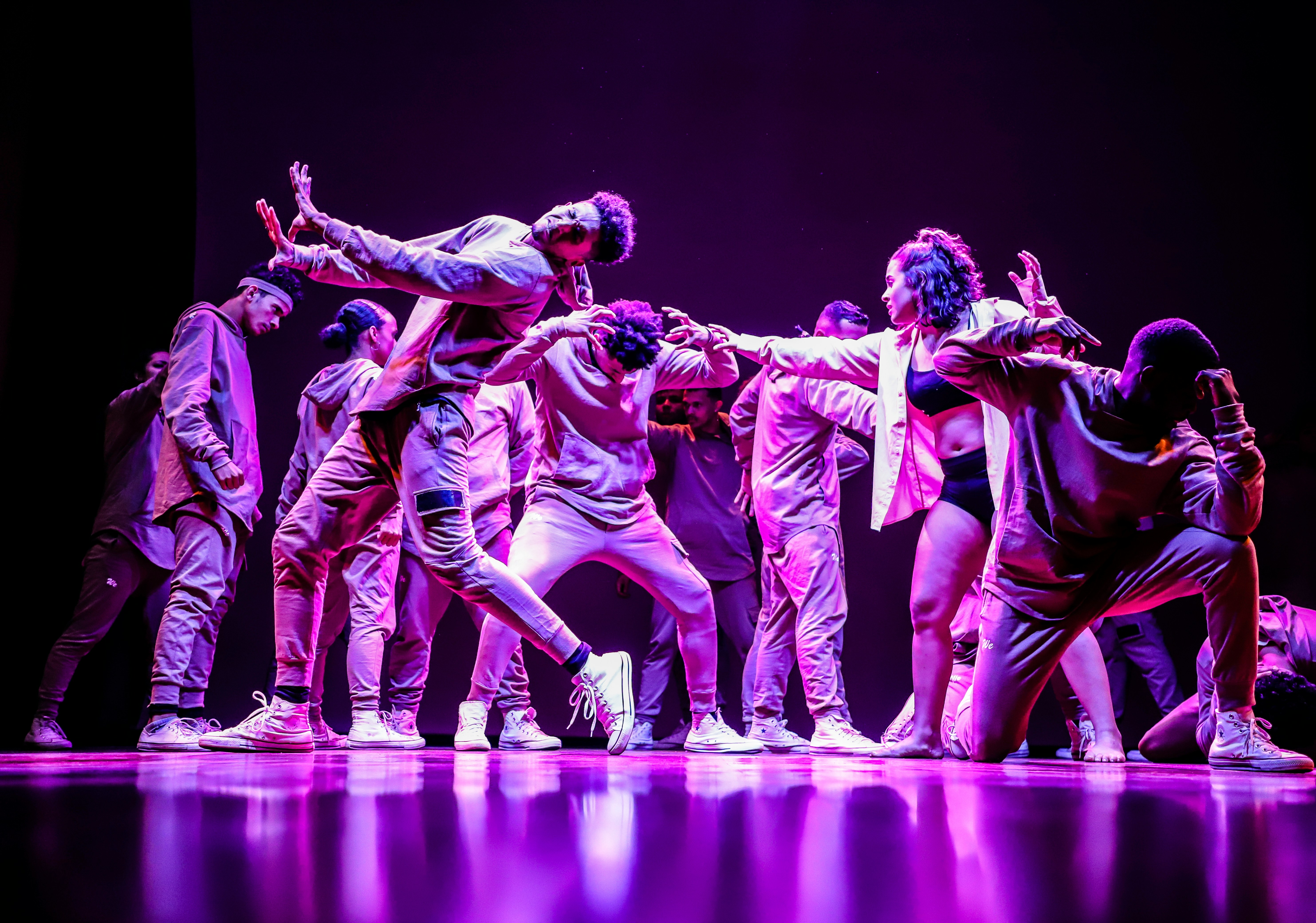
For years, people have argued about one question: is dance a sport?
Some see dance purely as an art form, focused on creativity and expression. Others point to the intense training, competition, and physical demands that make it feel just as athletic as football, gymnastics, or figure skating.
The truth is that dance sits in a unique space between sport and art, which is exactly why the debate continues.
Why many people consider dance a sport
One of the biggest arguments in favor of dance being a sport is the physical discipline involved.
Professional dancers train for hours every day, often pushing their bodies to extreme limits. Strength, endurance, flexibility, balance, and coordination are all essential.
Competitive dancers also deal with:
- injuries and recovery
- strict practice schedules
- performance pressure
- judged competitions
In many ways, that experience is very similar to traditional athletics.
According to the Britannica definition of dance, dance combines movement, rhythm, and performance, but modern competitive dance has evolved far beyond casual entertainment.
Is ballet a sport?
One of the most searched follow-up questions is whether ballet counts as a sport.
Technically, ballet is usually classified as a performing art. However, the physical requirements are incredibly demanding.
Professional ballet dancers need:
- elite flexibility
- core strength
- cardiovascular endurance
- years of technical training
Many athletes from other sports have even admitted that ballet training improved their balance and body control.
That’s why many people argue that ballet is both an art form and an athletic discipline at the same time.
Is dance a sport or art?
This is where the debate becomes more interesting.
Traditional sports are usually judged by objective outcomes like points, goals, or speed. Dance, on the other hand, includes creativity, emotion, musical interpretation, and performance quality.
That artistic element is what separates dance from most mainstream sports.
Still, other recognized sports also include artistic judging systems, including:
- figure skating
- synchronized swimming
- gymnastics
Because of that, many experts argue that dance can absolutely qualify as a sport while still remaining an art form.
Is dancing considered a sport in competitions?
In competitive settings, dance functions very similarly to sports.
Dancers compete in categories, follow strict rules, and are scored by judges. Events can involve regional, national, or even international championships.
Competitive dance also requires:
- teamwork
- stamina
- technical precision
- mental focus under pressure
For many dancers, the training intensity feels no different from other athletes.
Is dance in the Olympics?
Dance itself is not currently a full Olympic sport, but some dance-related disciplines have gained recognition.
Olympic Games officially included breaking, also known as breakdancing, in recent competitions. That decision reignited global conversations about whether dance should be viewed more seriously as a sport.
The inclusion of breaking showed that athletic movement, rhythm, and competition can coexist on the Olympic stage.
Why the “dance is not a sport” argument still exists
Despite the athletic demands, some people still believe dance should not be classified as a sport.
Their main arguments are usually:
- dance focuses heavily on artistic expression
- scoring can be subjective
- performances are entertainment-based
Unlike basketball or soccer, there is no universal scoreboard determining a clear winner through measurable statistics alone.
Still, supporters of dance point out that many judged Olympic events operate in a very similar way.
The physical side of dance is impossible to ignore
Whether someone calls dance a sport or an art form, the physical challenge is undeniable.
Professional dancers often train through pain, maintain strict conditioning routines, and perform highly technical movements under pressure.
Studies on dancer conditioning have even shown similarities between dancers and elite athletes in terms of endurance and injury rates. Information from multiple sources, highlight how physically demanding dance training can be on the body.
Another activity, that you would probably not expect to burn that much calories, is singing. Read how much calories you burn while singing in the blog does singing burn calories?
Frequently asked questions
Is dance considered a sport?
Many people consider dance a sport because of its physical demands, competitions, and structured training.
Is ballet a sport?
Ballet is traditionally viewed as an art form, but its athletic requirements are similar to elite sports.
Is dance a sport or art?
Most people would say it is both. Dance combines athletic performance with creativity and artistic expression.
Is dance in the Olympics?
Breaking has appeared in Olympic competition, but dance as a whole is not currently a full Olympic category.
Why the debate around dance probably will never disappear
Dance exists in a rare category where art and athletics overlap completely.
It demands physical strength like a sport, but also emotional expression like an art form. That combination is exactly what makes dance unique, and why people continue debating it today.
A discussion that falls into a very similar category is whether music itself can be considered a hobby or lifestyle. You can read more about that in our article on is listening to music a hobby.





.jpg)