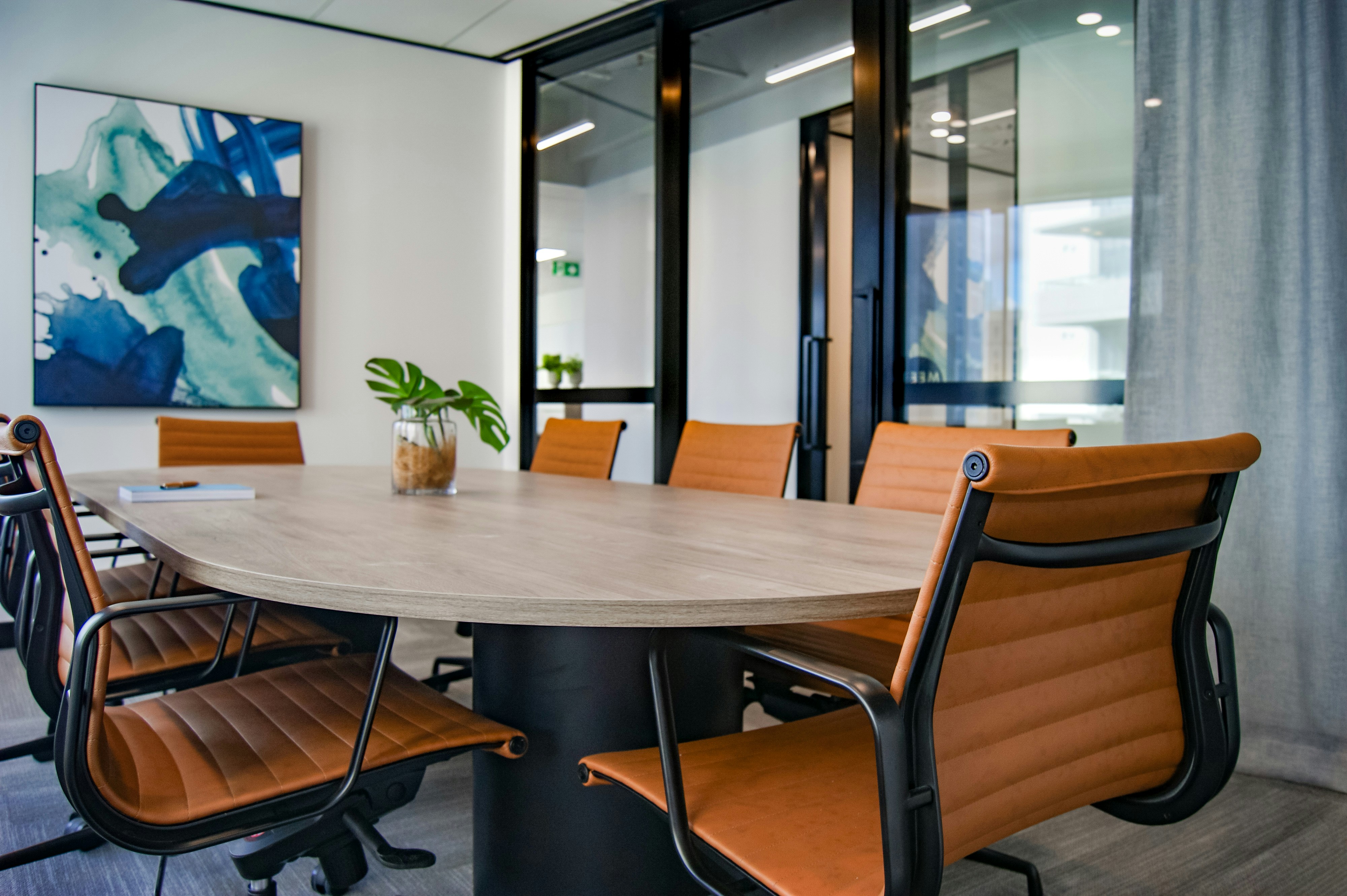
The main problem with office chairs is not lack of choice. It is choosing a chair that looks suitable but fails during long working days. Office chairs from Viking Direct offer a practical solution because the range includes ergonomic, mesh, executive, operator and meeting room seating for different workspaces, budgets and working patterns.
A practical answer for better daily seating
A good office chair should support the body without forcing it into one fixed position. For most office workers, the safest starting point is an adjustable chair with reliable back support, a suitable seat height and enough comfort for sustained desk work.
This matters because poor seating rarely causes one dramatic problem overnight. It usually creates small daily discomforts. A stiff lower back. Raised shoulders. Pressure behind the knees. A chair that feels acceptable at 9 a.m. may feel completely wrong by 3 p.m.
The right chair helps reduce these issues by matching the person, the desk and the task. That is especially important for hybrid workers, customer service teams, finance departments, reception areas and shared offices where seating is used for many hours each week.
When comparing office chairs, it helps to focus on practical features such as ergonomic support, adjustability, breathable materials and suitability for daily desk work.
Why office chair choice deserves more attention
In practical office furniture planning, the chair is often treated as a final purchase. Desks, screens and storage are chosen first. Seating is then selected quickly, often on price or appearance alone. That is a mistake.
The UK Health and Safety Executive advises that good display screen equipment posture includes lower back support, suitable seat height and a small gap between the front of the seat and the back of the knee. This is not only a comfort issue. It is part of creating a safer and more workable desk set-up.
A reliable chair should therefore be judged on more than upholstery. Look at the adjustability. Check whether the backrest supports the lower back. Consider whether the user needs armrests, a headrest, breathable mesh, a high back or a more compact task chair for a smaller office.
Mesh chairs can suit warm offices and busy shared spaces because they feel lighter and allow airflow. Executive office chairs are often chosen for private offices, boardrooms and managerial spaces where a more substantial look is required. Operator chairs and task chairs are usually more practical for everyday computer work because they are built around movement, adjustment and regular use.
A chair also needs to fit the work pattern. Someone who sits for short admin sessions may not need the same specification as a person working eight hours at a screen. A home office chair may need to balance comfort with limited space. A meeting room chair may need to be durable, neat and easy to move.
Step-by-step plan for choosing office chairs
Define the main use. Decide whether the chair is for full-time desk work, occasional use, meetings, reception areas or home working.
Check adjustability first. Prioritise seat height, back support and tilt options before colour or style.
Match the chair to the user. Consider body size, leg length, preferred sitting position and whether the user needs armrests or extra lumbar support.
Review the workspace. Make sure the chair fits under the desk and allows safe movement around the workstation.
Consider material and climate. Mesh may suit warmer offices. Padded or leather-look chairs may suit executive settings.
Plan for shared use. In hot-desking areas, choose adjustable chairs that can be quickly adapted by different users.
Balance price with working hours. The longer the chair is used each day, the more important comfort, support and durability become.
Examples of suitable office chair choices
For a full-time desk worker, an ergonomic office chair with adjustable height, lumbar support and a supportive backrest is usually the best starting point. This type of chair is designed for regular screen work and can be adapted to the user more easily than a basic fixed chair.
For a warm open-plan office, a mesh office chair is often a sensible option. It gives a lighter look and can feel more breathable during long working days. This makes it suitable for customer service teams, admin departments and shared workstations.
For a private office or senior meeting room, an executive chair may be more appropriate. These chairs often have a higher back, padded arms and a more formal appearance. The key is to avoid choosing style alone. The chair still needs enough support for real working use.
For a compact home office, a task chair or computer chair may work better than a large executive model. It should still offer proper seat height adjustment and back support, but it must also fit the room. A chair that blocks movement or cannot sit correctly at the desk will not support good posture.
For training rooms and meeting spaces, meeting room chairs should be practical, consistent and easy to arrange. Comfort still matters, but the priorities are different. These chairs are usually used for shorter sessions, so durability, storage and presentation may carry more weight.
Common mistakes when buying office chairs
Buying only on appearance. A smart chair is not always a supportive chair. Check the functional features first.
Ignoring seat height. If the chair cannot be set correctly, the user may raise their shoulders or place pressure on the thighs.
Choosing one model for every person. Teams include different body types and working habits. Shared spaces need flexible chairs.
Forgetting the desk. A good chair can still fail if the desk height or monitor position is wrong.
Assuming expensive means ergonomic. Price can reflect materials and style, but adjustability and support matter more.
Keeping old chairs too long. Worn padding, weak gas lifts and damaged castors can reduce comfort and safety.
Treating home working as temporary. Hybrid working is now normal for many organisations, so home seating should be chosen with the same care as office seating.
Making a confident choice
The best office chairs are not simply the most expensive or the most visually impressive. They are the chairs that fit the user, the task and the workspace. A well-chosen chair supports concentration, reduces avoidable discomfort and gives a more professional feel to the working environment. For businesses buying one chair or many, Viking Direct provides a broad range that makes it easier to compare styles, functions and budgets in one place.