Out with FM, in with DAB+. That is how the EBU presented the future of radio. The idea: giving listeners more stations and providing broadcasters with a modern digital platform. What the EBU did not see coming was the other digital way of listening to radio: the internet. In the Netherlands online radio is rapidly growing, much to the displeasure of the EBU. Therefore, the EBU is taking measures to assure listeners will stay on DAB+.
More radio listening online than through DAB+
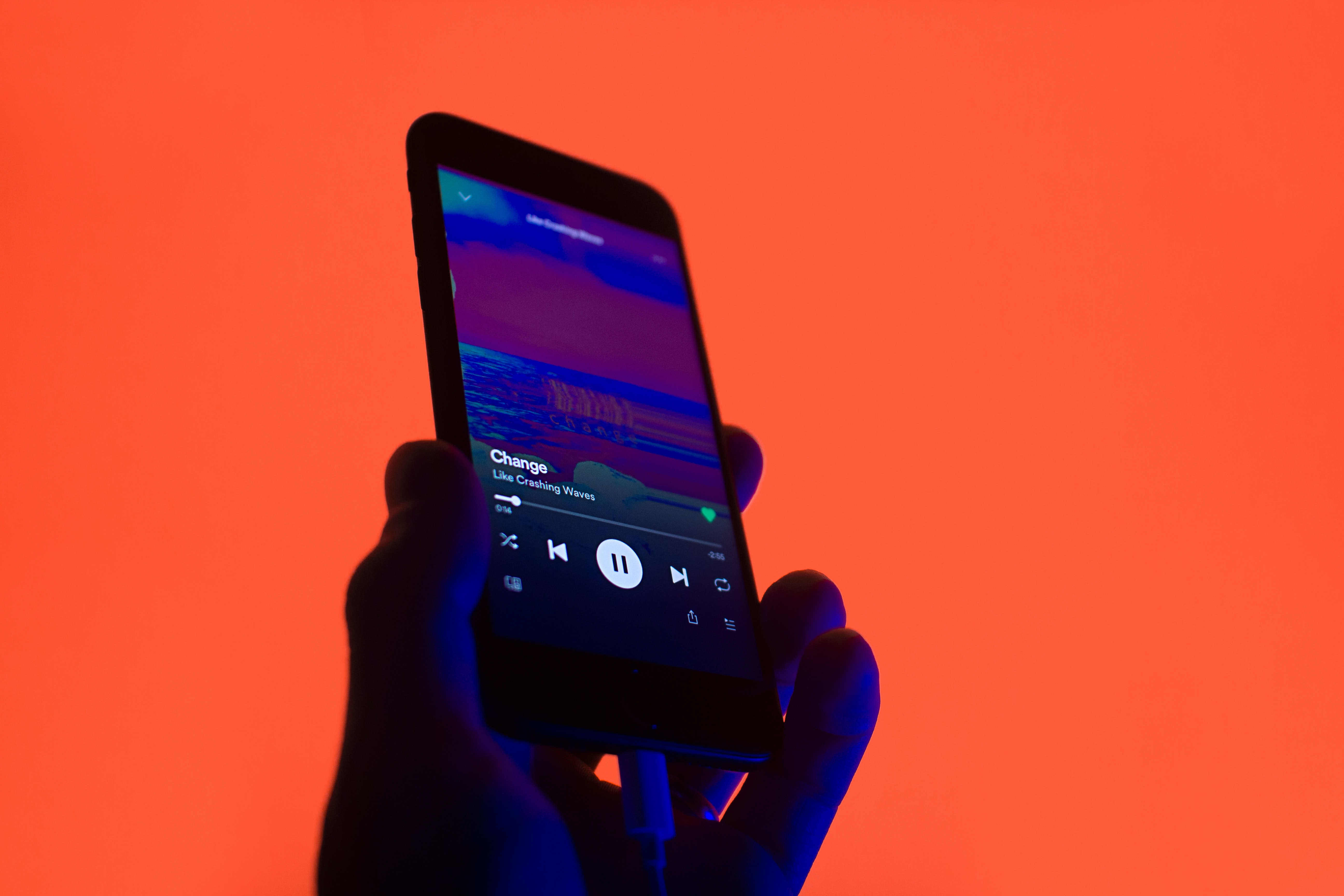
In June 2025, 31.4% of the Dutch population listened to radio via the internet. DAB+ accounts for only 18.8%. Even FM, with a share of 28.4%, was overtaken by online listening. Interestingly, the European Broadcasting Union (EBU) has been promoting digital terrestrial radio for many years. However, listeners are not following. They keep choosing online radio.
Listeners choose convenience over reliability. They want to be able to say ‘Play Radio 2’ to a smart speaker, and the speaker does the rest. Besides, people already use Spotify, YouTube, and other streaming services on their smartphones. Internet connections have improved, providing listeners with large mobile data plans. As a result, the amount of data used by an audio stream has become far less important than it was ten years ago.
EBU protects traditional broadcast radio
The EBU is not waiting to see which technology listeners will choose. Instead, it is actively trying to protect the position of traditional broadcast radio. Lobbying with European policymakers to make sure that new cars continue to include FM and DAB+ reception is what the EBU sees as a solid foundation for the future. Current European rules already require new passenger cars to have a built-in radio available, capable of receiving digital terrestrial radio.
European legislation should make a broadcast radio receiver itself mandatory in new vehicles, following the new measures by the EBU. The organization is already working with public and commercial broadcasters through its Radio Ready initiative. Instead of hiding radio between Spotify, podcasts, and other apps, the EBU wants drivers to have direct and prominent access to it. Dutch comparison website Providercheck sees a rise in users taking out subscriptions to streaming services, rather than opting for only traditional broadcast techniques.
Does the EBU want internet out of the car?
No. The EBU does not want internet out of the car. Its preferred solution is a hybrid version of radio. A car could use DAB+ or FM where possible and combine with an internet connection for additional services or when necessary. However, the EBU does not want online radio to be preferred by listeners.
This also has to do with emergency situations. In the Netherlands regional FM stations and the public radio station NPO Radio 1 are being regarded as ‘emergency stations’. These stations inform the public during emergencies such as a total power blackout, war or natural disasters. Those stations should not be dependent on the internet, but on traditional, tried-and-tested broadcasting methods.
Online radio lowers the barrier for new stations
Online radio has not only given listeners the opportunity to discover radio stations but also lowered the barrier for new stations. Where getting a station onto a DAB+ multiplex is expensive due to scarcity, an online station can be on air within months. It only needs a streaming server, a registration with the Dutch Media Authority, music licences and of course, listeners. That created opportunities for smaller and more specialised stations. A station can focus on one music genre, a particular age group or broadcast locally.
Finding listeners remains the difficult part. However, online aggregation services such as RadioGuide help broadcasters to find listeners and help listeners to find new radio stations. Large broadcasters still have a considerable advantage because of their strong brands, marketing budgets and existing audiences.
Will online make DAB+ obsolete?
The growth of online radio does not mean DAB+ will disappear. DAB+ works very well for broadcasting one signal to a large number of people. Online radio is much better at offering choice, personalisation and stations without geographical boundaries. For listeners, using FM, DAB+ and the internet could ultimately be the best solution.
However, the numbers from the Netherlands do show an important change. The internet is no longer ‘just an additional way’ to listen to radio. It has become one of radio’s main distribution platforms. Listeners have already decided that for themselves, regardless of the EBU’s measures.