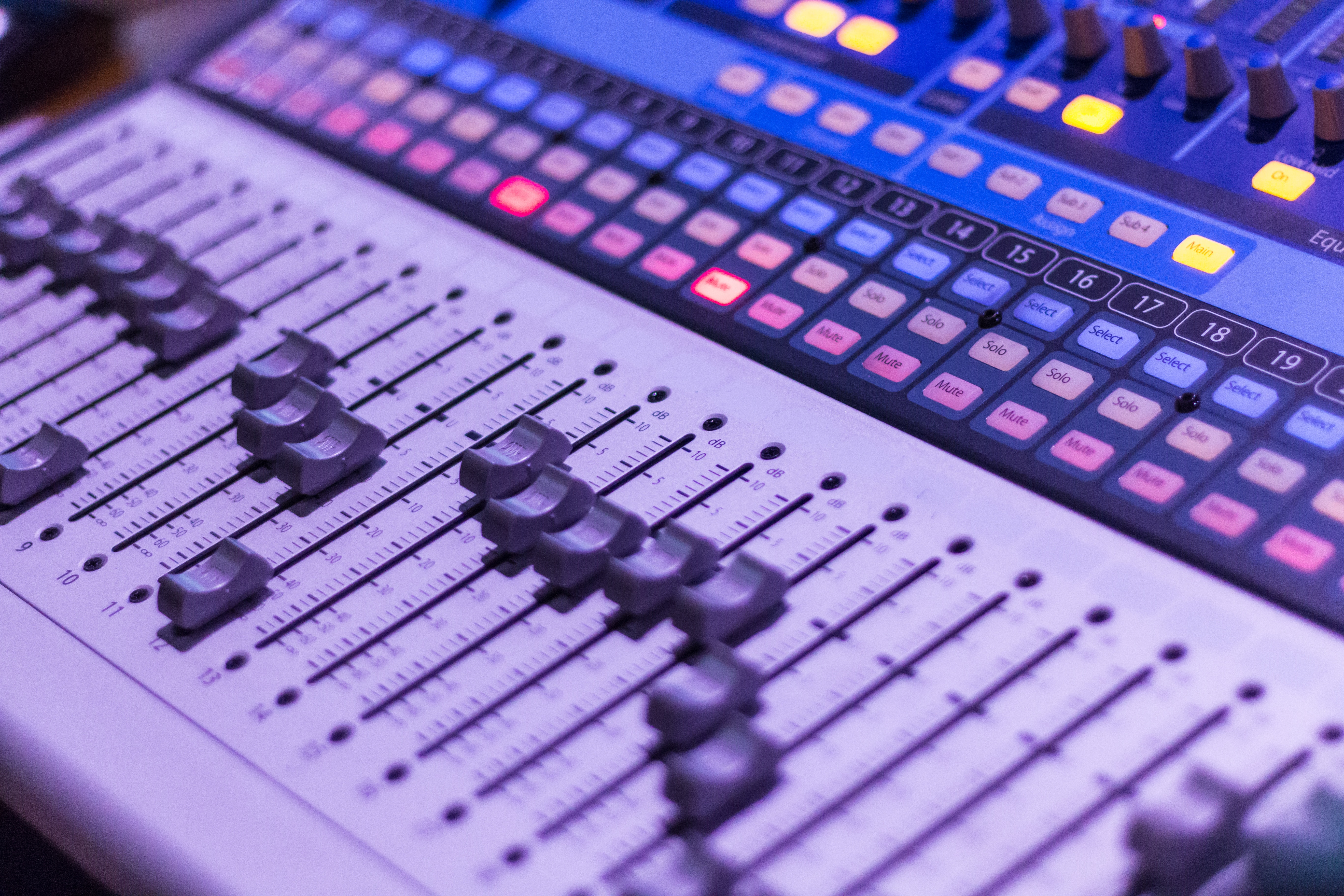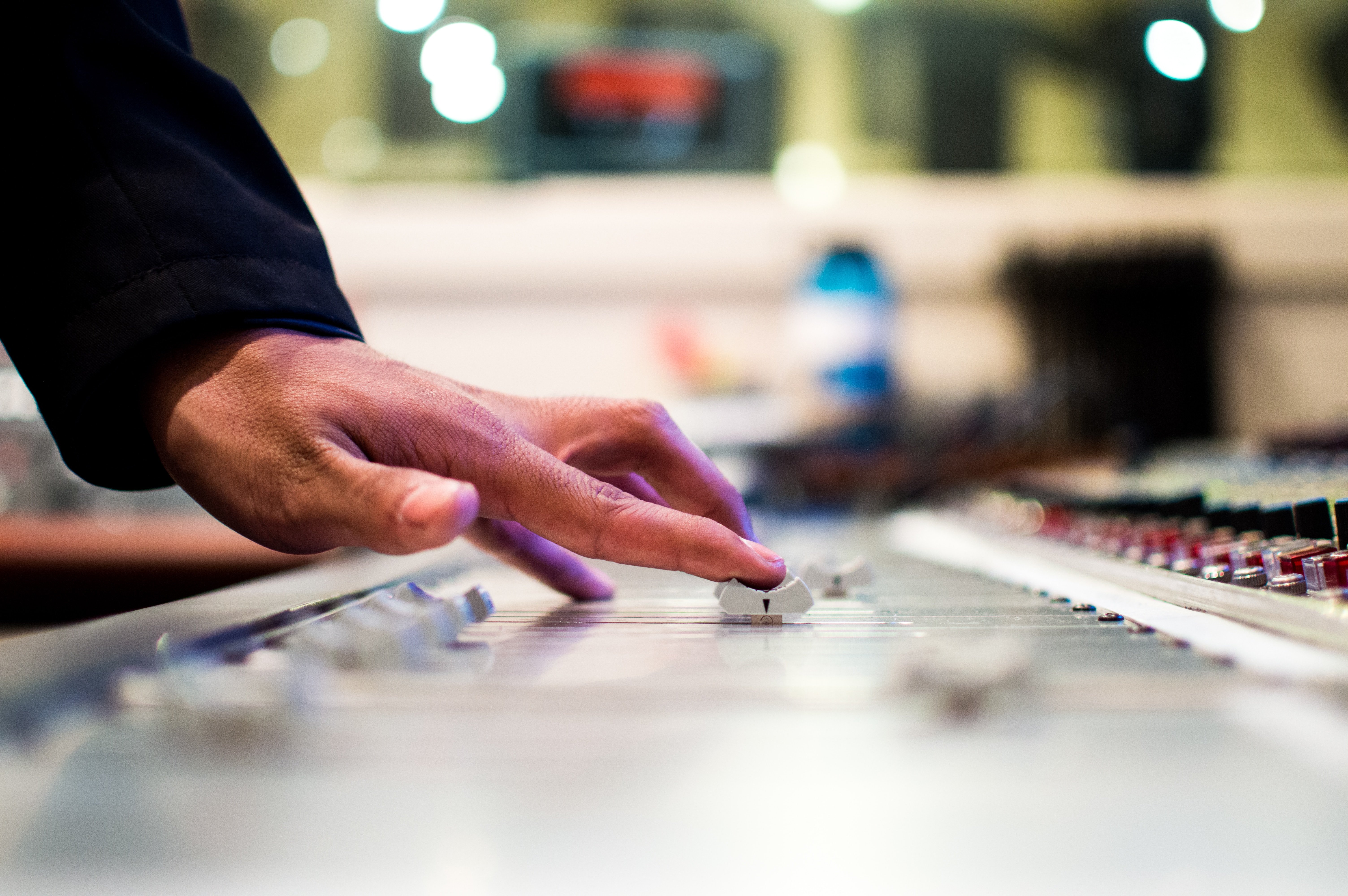
A strong audio project starts before the listener notices the edit. It begins with the small decisions that shape attention, hold interest and make a production feel intentional. Radio makers, podcasters, video editors and content teams all work with the same pressure, because every second needs to justify its place. A sound effects library gives that process structure by placing useful accents, textures, impacts and transitions within reach when a story needs more than voice, music or silence.
Audio identity beyond the spoken word
Radioguide.fm readers already understand the value of clear sound, because radio and podcast listening depends on tone, timing and trust. A presenter can have a strong voice, but the surrounding details still influence the way an audience hears the programme. Intro stings, segment markers, background beds and subtle transitions help separate ideas without making the production feel crowded. Good sound design gives a show shape, especially when listeners are moving between tasks and relying on audio cues to stay connected.
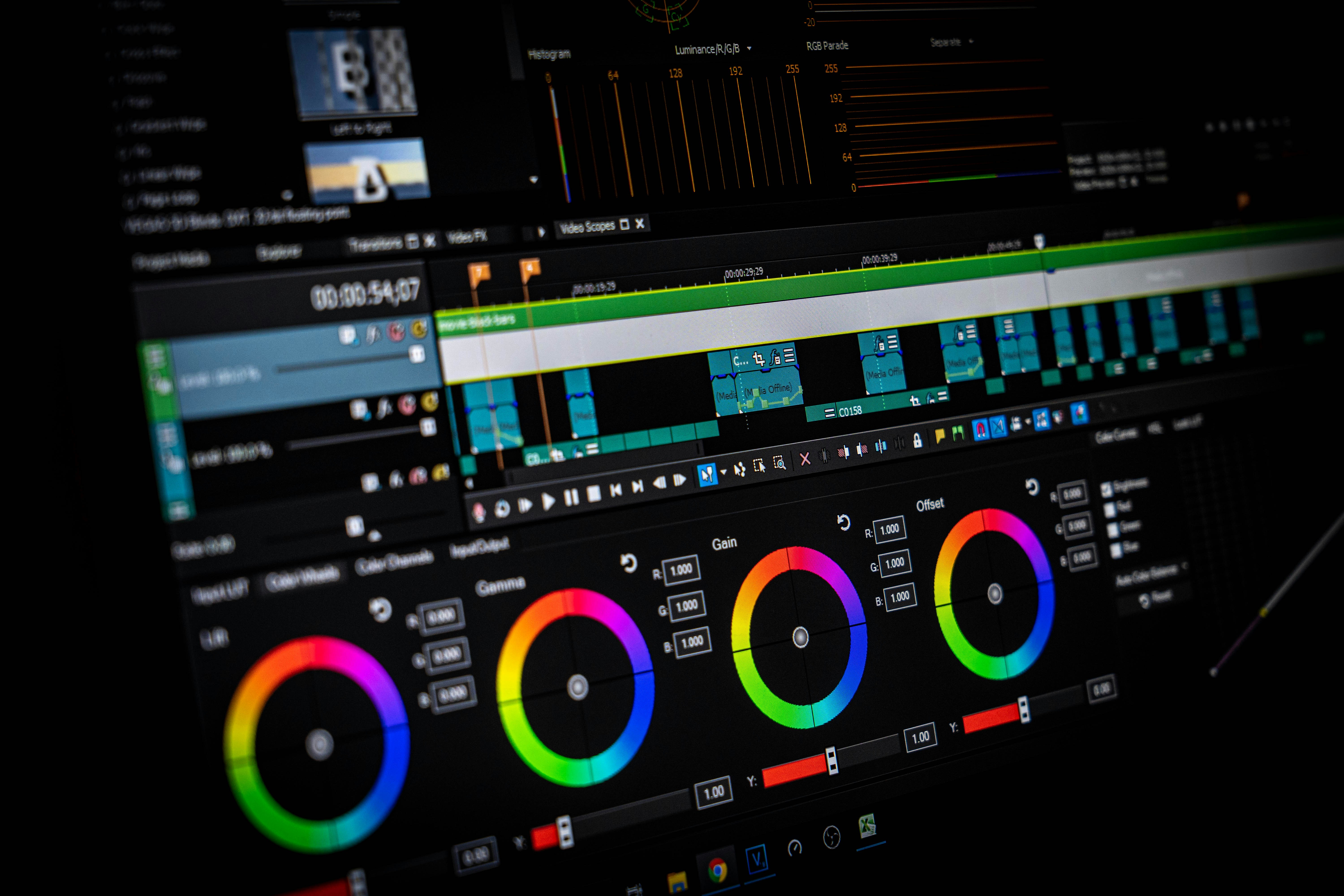
The same thinking applies to video, social clips, trailers and branded content, where picture and sound need to feel joined rather than assembled in separate stages. A curated sound effects library gives creators access to cinematic hits, drones, glitches, heavy impacts, whooshes and clean movement details that can be matched to the character of a project. The value sits in having organised sound options that are ready for a professional mix, not in collecting random files that slow the edit down.
Structure inside radio and podcast production
A radio feature can feel clearer when sound is used as a guide rather than decoration. A short transition can mark a change of subject, a soft texture can support a reflective interview section, and a controlled impact can introduce a recurring segment without overpowering the host. These choices are practical because they reduce confusion for the listener. They also help a station, show or podcast build an identity that feels consistent across episodes.
Podcast producers face similar demands, especially when a format includes interviews, archive clips, narrative sections or sponsor messages. Each part needs separation, but the handover should feel smooth enough to keep attention on the story. Overloaded production can make a show feel forced, while underproduced audio can leave the structure feeling unfinished. The strongest approach is to choose a few reliable sound elements, use them consistently and leave enough space for the voice to remain the centre of the piece.
Sound design for visual creators with audio instincts
Many radio and podcast makers now produce video clips for social platforms, live sessions, behind the scenes content and promotional reels. This shift means audio decisions no longer sit only inside a finished broadcast. A caption reveal, a camera cut, a studio shot or a logo animation may need a sound that makes the movement feel complete. The edit does not need to be loud, but it should feel finished enough to hold attention on a small screen.
Visual creators can borrow a useful habit from radio production by treating every sound as a cue with a job. A whoosh can carry movement, a low drone can create tension, and hit sound effects can help title cards, cuts and reveals land with more force. The best results usually come when these accents are chosen for shape and tone, rather than volume alone, because the sound must support the message without taking control of it.
Choosing sounds that serve the listener
A good selection process starts with the role of the sound. Some moments need clarity, such as a clean transition between two podcast sections. Others need weight, such as a campaign film reveal or a dramatic edit point. Some only need texture, like a light mechanical detail under a product shot or a soft environmental layer behind a spoken passage. Sorting sounds by function helps creators avoid using the same type of accent for every problem.
Consistency matters just as much as variety. A show or channel can build recognition by returning to a small set of tonal choices, then expanding only when the format demands it. A tech podcast may suit precise digital accents, while a film review channel may benefit from warmer transitions and subtle cinematic textures. A station package might need short identifiers that stay memorable after repeated use. The sound should become part of the format, not a distraction placed on top.
Workflow matters when deadlines are close
Audio work often happens near the end of production, when deadlines are tight and attention is already stretched. That is where organised libraries become useful. Editors need sounds that can be searched quickly, previewed easily and placed into a timeline without heavy repair work. Clean files, sensible categories and flexible tones reduce the time spent fixing problems, leaving more attention for timing, balance and the final listener experience.
Licensing also affects the workflow. Radio teams, podcasters, agencies and video creators need to know that a sound can be used commercially without creating new admin for every project. Royalty free assets with clear usage terms remove friction, especially for creators who publish across podcasts, radio packages, social media, games, adverts and branded films. When the legal side is simple, producers can focus on the sound decision itself.
A stronger finish for every production
Sound is often treated as the final layer, but better work comes when it is considered earlier. A producer who thinks about transitions during the script stage can build cleaner sections. A video editor who marks impact points before choosing music can avoid a crowded mix. A podcast team that defines its sonic identity before launch can sound more consistent by episode three. These decisions make the finished piece easier to follow and more confident to hear.
Ocular Sounds fits into that process as a practical option for creators who want premium, original sound effects and music with simple licensing and long-term use. Its collections are built for fast edits, cinematic detail and professional control, which makes them relevant to radio minded creators moving into podcasts, video and branded content. The point is not to fill every gap with sound. It is to choose the right element when the moment needs clarity, weight or character.