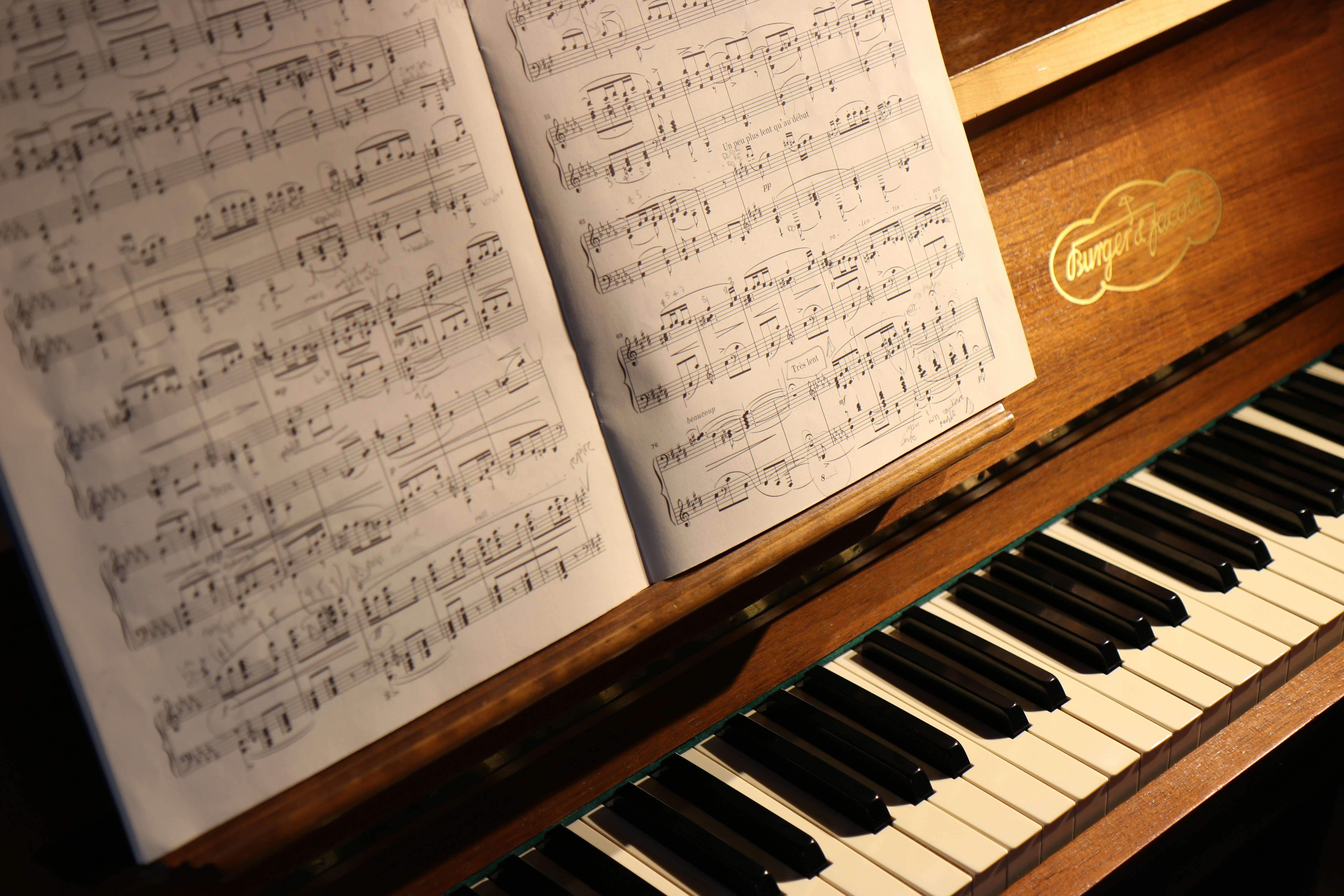
If you've ever wondered why some songs feel powerful, dramatic, gentle, or emotional, the answer often comes down to dynamics in music.
Dynamics are one of the most important elements of music, yet many listeners don't notice them consciously. They help create contrast, build tension, and guide emotional reactions throughout a piece. Whether you're listening to a classical symphony, a pop ballad, a film soundtrack, or a rock anthem, dynamics play a major role in how the music affects you.
So, what are dynamics in music, and why do musicians pay so much attention to them?
What are dynamics in music?
Dynamics in music refer to the volume of a musical passage and how that volume changes over time.
In simple terms, dynamics tell musicians how loudly or softly a section should be played or sung.
A composer might want one section to be extremely quiet and intimate, while another explodes with energy and power. Dynamics help communicate those changes.
Without dynamics, music would sound flat and mechanical. With them, a performance gains emotion, movement, and personality.
Why are dynamics important?
Imagine hearing your favorite song played at exactly the same volume from beginning to end.
There would be no build-up, no surprise, and very little emotional impact.
Dynamics create:
- Contrast between sections
- Emotional expression
- Musical tension and release
- Dramatic moments
- Greater listener engagement
Many of the most memorable moments in music happen because of dynamic changes rather than melody alone.
A soft piano passage before a powerful chorus can make the chorus feel much bigger than it actually is.
Common dynamic markings in music
When learning about dynamics in music, you'll often encounter Italian terms used in sheet music.
Here are some of the most common:
| Marking | Meaning |
| pp | Pianissimo (very soft) |
| p | Piano (soft) |
| mp | Mezzo piano (moderately soft) |
| mf | Mezzo forte (moderately loud) |
| f | Forte (loud) |
| ff | Fortissimo (very loud) |
These markings provide performers with guidance about how a piece should sound.
Many compositions include multiple dynamic changes throughout a single movement or song.
What is a crescendo?
One of the most recognizable dynamic techniques is the crescendo.
A crescendo means the music gradually becomes louder.
You'll hear crescendos everywhere:
- Film scores building suspense
- Rock songs leading into a chorus
- Orchestral music creating dramatic tension
- Pop ballads reaching an emotional peak
The opposite is called a decrescendo or diminuendo, where the music gradually becomes softer.
Examples of dynamics in popular music
Dynamics are often associated with classical music, but they are equally important in modern genres.
For example:
- Adele frequently uses quiet verses and powerful choruses.
- Nirvana's "Smells Like Teen Spirit" is famous for its soft-loud-soft structure.
- Billie Eilish often relies on subtle dynamic shifts to create tension.
- Queen used dramatic dynamic contrasts throughout many of their biggest hits.
These changes keep listeners engaged and make songs feel more emotional.
Understanding how volume influences emotion can also help songwriters. If you're interested in creating your own music, our guide on how to write a song explores several techniques used to make songs more impactful.
Dynamics in classical music
Classical composers helped establish many of the dynamic conventions still used today.
Composers such as:
- Ludwig van Beethoven
- Wolfgang Amadeus Mozart
- Johann Sebastian Bach
- Pyotr Ilyich Tchaikovsky
used dynamics to shape entire musical narratives.
A symphony might move from barely audible passages to thunderous orchestral climaxes, creating an emotional journey for the audience.
According to Wikipedia's overview of musical dynamics, dynamic markings became increasingly detailed during the Classical and Romantic periods as composers sought greater expressive control.
Dynamics and modern audio production
Today, dynamics extend beyond performance and composition.
Audio engineers and producers regularly manage dynamics through:
- Compression
- Limiting
- Automation
- Mixing techniques
The goal is to balance clarity with emotional impact.
In podcasting, radio production, and broadcasting, dynamic control helps maintain consistent listening levels while preserving natural expression. Our article on hearing protection and safe listening also explains why managing sound levels matters for long-term hearing health.
How to hear dynamics more clearly
If you're new to music theory, try listening for these clues:
- Does the song become louder before the chorus?
- Does the vocalist sing softly during emotional moments?
- Does the band suddenly drop in volume before a big finale?
- Are certain instruments used to create contrast?
Once you start listening for dynamics, you'll notice them everywhere.
Many of the most powerful moments in music rely on volume changes rather than complex melodies or lyrics.
Frequently asked questions
What are dynamics in music?
Dynamics refer to the volume of music and the changes in loudness or softness throughout a performance.
Why are dynamics important in music?
They create emotion, contrast, tension, and excitement while helping listeners stay engaged.
What does forte mean in music?
Forte, written as "f," means loud.
What does piano mean in music?
Piano, written as "p," means soft.
What is a crescendo?
A crescendo is a gradual increase in volume over a period of time.
Why dynamics are one of music's most powerful tools
Dynamics may seem like a simple concept, but they have a huge influence on how music feels.
They help transform notes into stories, create emotional highs and lows, and make performances memorable long after the final note fades away. Whether you're a musician, songwriter, producer, or simply a music fan, understanding dynamics in music can deepen your appreciation for how great songs and compositions are built.



-3.jpg)