
If you’ve ever browsed Spotify or Apple Music and wondered why an artist released an EP instead of an album, you’re not alone. The term gets used constantly in music, yet it’s rarely explained in a way that actually makes sense.
So what is an EP, how long is it supposed to be, and why do artists still use the format today?
Let’s break it down clearly, without industry jargon.
What does EP stand for?
EP stands for Extended Play. The term originally described a music release that was longer than a single but shorter than a full album.
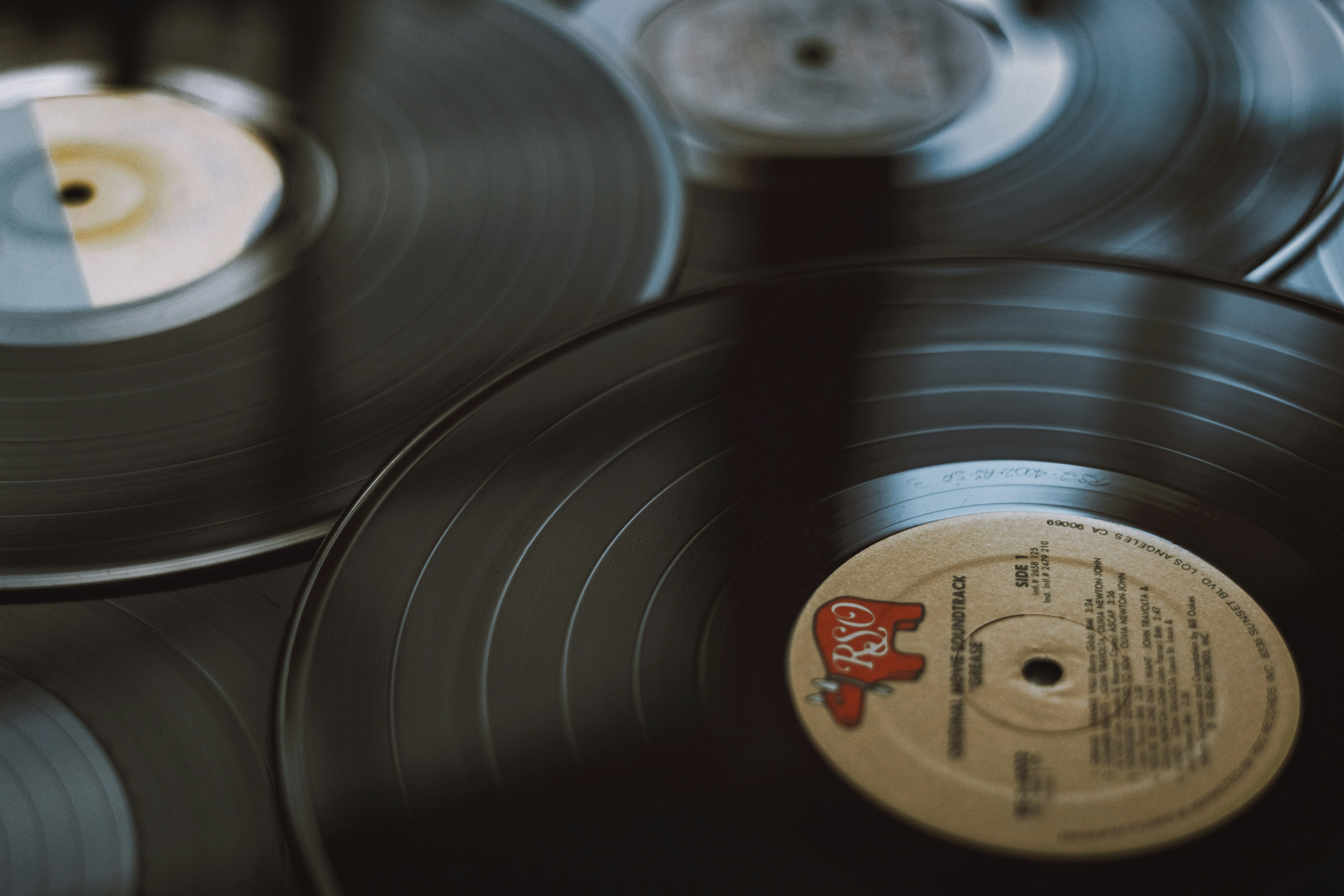
Historically, EPs existed on vinyl records that could physically hold more music than a single, but not enough for a full-length LP. Over time, the definition shifted away from format and toward length and intent.
A more technical definition can be found on Wikipedia, but in practice, the meaning of an EP is shaped by how artists and platforms use it today.
What is an EP in music today?
In modern music, an EP is best described as:
- A short collection of songs
- Usually 3 to 6 tracks
- Longer than a single, shorter than an album
- Often released to introduce a sound, concept, or era
Unlike albums, EPs are not expected to tell a full story. They’re more like snapshots. Artists use them to experiment, test audiences, or stay active between major releases.
How long is an EP?
There’s no universal rule, but most EPs fall into these ranges:
- 3–4 songs: often considered a short EP
- 5–6 songs: the most common modern EP
- Up to 30 minutes: frequently cited as the upper limit
If a project goes significantly beyond that, streaming platforms may categorize it as an album instead.
This is why you’ll sometimes see fans debating whether a release “counts” as an EP at all.
Is an EP the same as an album?
No, and the difference matters more than it seems.
Albums are typically designed as complete bodies of work. They often involve larger budgets, longer promotional cycles, and stronger expectations around cohesion and storytelling.
EPs, on the other hand, are flexible. They allow artists to:
- Release music more frequently
- Try new styles without long-term commitment
- Build momentum without waiting years between albums
Many artists use EPs strategically early in their careers, especially before signing with major labels.
Why do artists release EPs instead of albums?
There are a few reasons EPs remain popular, even in the streaming era.
First, attention spans are shorter. A six-song release is easier for listeners to digest than a 15-track album.
Second, algorithms reward consistency. Releasing an EP can keep an artist visible without the pressure of a full album rollout.
Third, EPs are often creative playgrounds. Some of the most interesting music lives on EPs precisely because expectations are lower.
This mindset is common in independent and alternative scenes. If you’re curious how this overlaps with modern DIY culture, our guide on indie music and independent artists explores that ecosystem in more detail.
EPs in the streaming era
Streaming blurred many of the old rules. Today, EPs are less about format and more about intent.
Some EPs function like mini-albums. Others feel like curated playlists. Platforms don’t always enforce strict definitions, which is why the same release might be labeled differently depending on the service.
Still, the EP remains useful because it signals something specific to listeners: this is more than a single, but not quite an album.
FAQ: EPs explained simply
What is an EP in music?
An EP is a short music release, typically 3 to 6 songs, longer than a single but shorter than a full album.
What does EP stand for?
EP stands for Extended Play.
Is 7 songs an EP?
Sometimes. It depends on total runtime and how the artist or platform categorizes it.
How long is an EP usually?
Most EPs run between 10 and 30 minutes.
Is an EP considered an album?
No. EPs and albums are treated as separate formats, even if the line can blur in streaming.
Why the EP format still matters
EPs survive because they match how people listen today. They’re flexible, creative, and low-pressure, both for artists and listeners.
In a world where music moves fast, the EP remains one of the smartest ways to release new work without overcommitting.



.jpg)