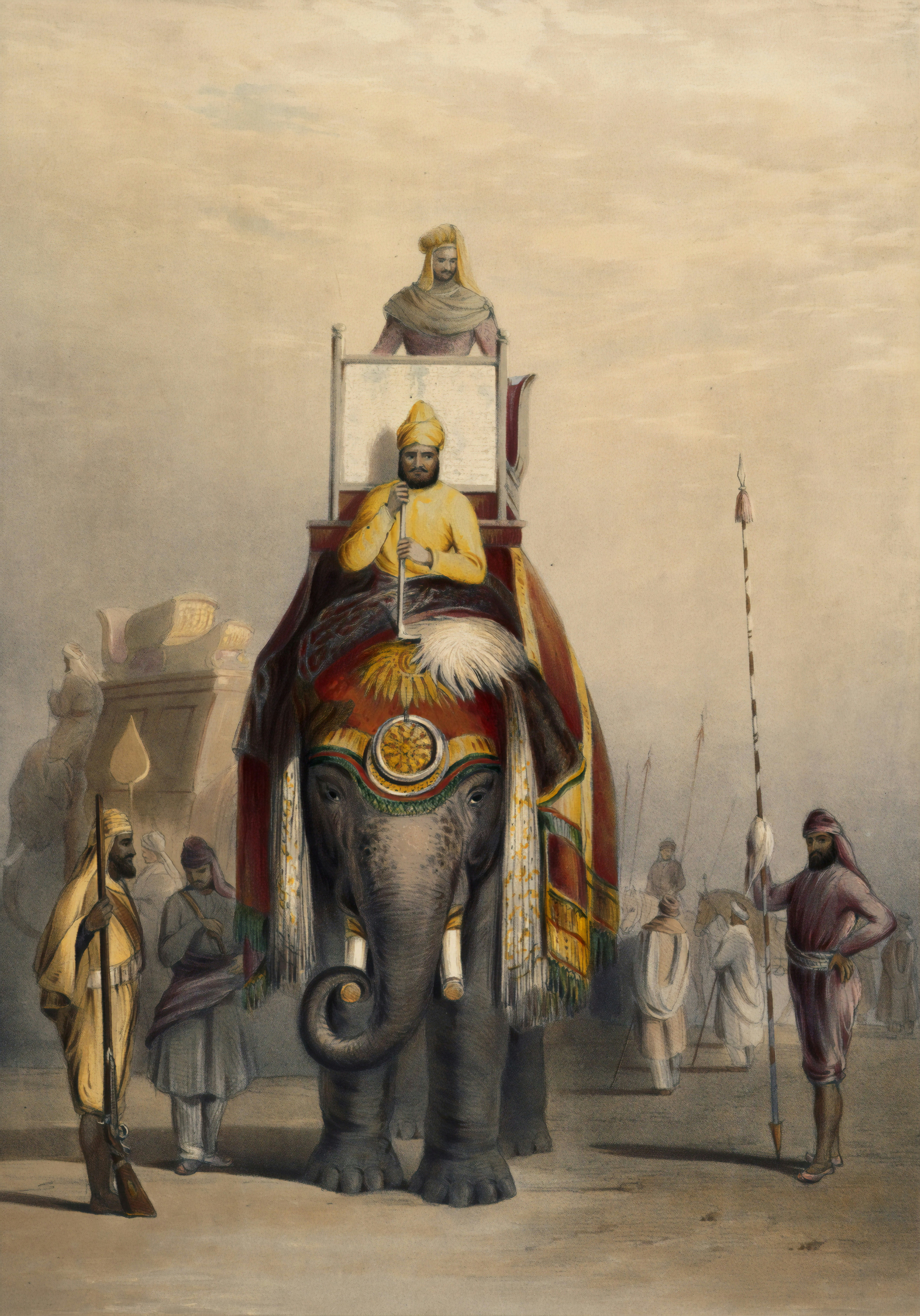
When people debate the richest person of all time, modern names like Elon Musk or Jeff Bezos often surface. Yet historians consistently point to someone far older and far wealthier: Mansa Musa, the 14th-century emperor of the Mali Empire. His wealth was so vast that economists struggle to convert it into today’s money.
So what was Mansa Musa’s net worth really worth and how would it compare to current billionaires?
Who was Mansa Musa?
Mansa Musa I ruled Mali from 1312 to 1337 and presided over one of the most prosperous periods in African history. His empire controlled major gold-producing regions, turning Mali into the economic center of the medieval world.
Sources like the BBC and historical summaries on Wikipedia describe Musa not only as a political leader but also as a cultural and economic force who transformed West Africa through education, architecture, and trade.
Mansa Musa net worth (historical estimates)
No one can calculate his wealth exactly, but historians agree on one thing:
Mansa Musa’s fortune was unfathomably large, even by today’s standards.
Common historical interpretations suggest:
much of the world’s gold supply was under his control
his personal wealth exceeded anything documented before or after
his 1324 pilgrimage across North Africa caused regional inflation because of how much gold he spent
To frame it in modern terms, many analyses, including breakdowns from All That’s Interesting, estimate that his adjusted net worth would sit anywhere between 300 and 400 billion dollars and possibly more.
Some historians argue it could exceed that range entirely, because medieval gold reserves cannot be cleanly translated into today’s fiat economy.
Mansa Musa net worth in today’s money
People often ask whether we can calculate a precise number.
The honest historical answer: not really.
Converted into modern wealth metrics, scholars estimate:
minimum: around 300 billion
likely range: 400–500 billion
upper bound: impossible to define due to Mali’s gold dominance
This places him comfortably above any modern billionaire.
Mansa Musa vs Elon Musk: who was richer?
Modern billionaires fluctuate constantly based on stock valuations. But even Musk’s highest peaks, around 250–300 billion dollars, do not come close to Musa’s lower estimates.
As the BBC explains in its historical overview, Musa’s wealth was on a scale so extreme that economic historians describe it as “immeasurable”.
In short:
Mansa Musa was richer than Musk, Bezos, or any other modern business figure.
Was Mansa Musa a trillionaire?
Searches like “mansa musa net worth trillion” and “trillionaire in today’s money” often come from viral social media claims.
While historians don’t label Musa a trillionaire in a formal economic sense, they acknowledge:
his wealth may exceed modern billionaire rankings entirely
he held economic power equivalent to controlling entire gold markets
his spending could alter regional economies for years
So while “trillionaire” isn’t historically precise, Musa’s wealth surpasses any modern metric used to measure personal fortune.
Why his wealth mattered
Musa’s riches funded:
universities in Timbuktu
architectural projects across the empire
large-scale cultural, scientific, and religious development
His rule turned Mali into one of the world’s major intellectual centers.
Interested in today's big earners? Explore our blog about the net worth of Rick Ross.
FAQ
How much is Mansa Musa worth today?
Estimates place his wealth at roughly 300–400 billion dollars in modern currency, possibly more.
Who is richer: Elon Musk or Mansa Musa?
Mansa Musa. His wealth exceeds that of any modern billionaire.
Was Mansa Musa the richest person in history?
According to historical consensus summarized by the BBC, yes.
Why was Mansa Musa so rich?
Mali controlled enormous gold reserves and major trans-Saharan trade routes during Musa’s reign.
Why Mansa Musa’s wealth still fascinates the world
Mansa Musa remains a symbol of economic power, cultural influence, and historical greatness. His net worth cannot be captured by modern calculations, because his wealth operated at the scale of empires, not individuals. That unmatched scale is exactly why, centuries later, he is still considered the richest man who ever lived.