
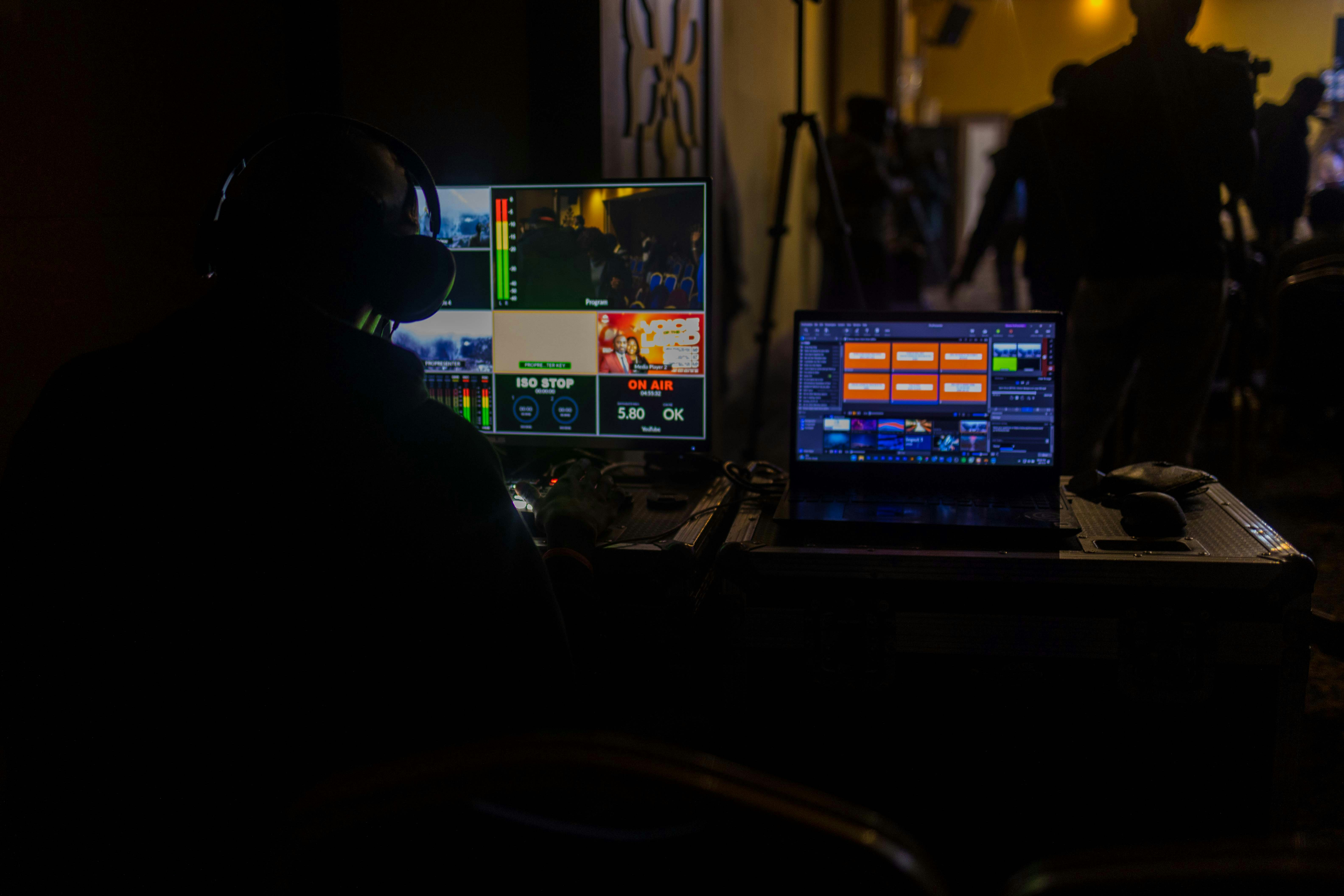
Live audio is becoming popular again because it offers something on-demand media cannot fully reproduce: a shared moment. Live radio, TikTok LIVE, YouTube LIVE and interactive rooms combine immediacy with human connection. Audiences can listen, react and participate while something is actually happening. In an increasingly automated media landscape, that sense of presence makes live content feel more personal, credible and exciting.
Why live content matters again
The modern listener has almost unlimited choice. Music, podcasts, videos and news are available at any time. That convenience creates a new problem: content fatigue. People spend more time deciding what to play, skip or save. Carefully edited content can also feel predictable. Even when it is useful, it rarely creates the feeling that others are experiencing the same moment.
Live media removes part of that decision-making. A presenter, creator or DJ selects what happens next. Listeners can join without planning an entire queue. They may hear an unexpected song, discover a new guest or watch a conversation take an unplanned turn.
The result is not a rejection of on-demand media. Live audio and recorded content now complement each other. A live broadcast creates urgency and community, while clips, podcasts and replays give the content a longer life.
1. Live broadcasting creates a shared moment
The central attraction of live radio has always been its connection to the present. A presenter talks about what is happening now. Listeners hear the same news, song or interview at roughly the same time. That shared timeline gives even a simple broadcast a social quality.
TikTok LIVE and YouTube LIVE use the same principle. The difference is that the audience can respond through comments, reactions, polls and digital gifts. Viewers are no longer only consuming a broadcast. They can influence its pace and direction.
Anyone who has listened to live coverage during a major news event, sports final or music festival will recognise the effect. The knowledge that a moment is unfolding in real time increases attention. Pauses, mistakes and spontaneous reactions also make the experience feel less manufactured.
This is one reason live content remains valuable in a world filled with polished short-form videos. Recorded content can be edited until every second is efficient. A live broadcast retains uncertainty, and that uncertainty keeps people watching or listening.
2. Audiences want human voices in an automated media environment
Recommendation systems have made it easier to find content that matches personal interests. They have also made media consumption more repetitive. A user who regularly selects one genre, creator or opinion may continue receiving similar suggestions.
Live radio introduces human judgement. A presenter can connect two songs for an unexpected reason, respond to a local event or change the schedule when breaking news arrives. That form of curation is difficult to reproduce with a static playlist.
The presenter also becomes a familiar voice. Tone, timing and personality can create a sense of companionship, especially during commuting, working or travelling. Successful hosts do more than announce songs. They build routines and develop trust over time. The career of Ryan Seacrest shows how radio presenting can grow into a wider media brand, while still depending on a recognisable voice and consistent relationship with an audience.
Creators on live platforms build similar relationships. Regular viewers learn their habits, humour and opinions. The format may be different, but the underlying appeal is familiar: people return for the host as much as for the subject.
3. TikTok LIVE and radio are moving closer together
Traditional radio and social platforms were once treated as separate media channels. That boundary is disappearing. Radio stations publish video clips, creators host longer conversations and live broadcasts move between FM, apps and social platforms.
A clear example arrived in March 2026, when iHeartMedia and TikTok launched TikTok Radio. The station combines music with creators, cultural trends and real-time conversation. It is available through a radio app and on broadcast stations in major American cities.
This development is significant because it connects two different strengths. TikTok is effective at rapid discovery. Radio is better suited to continuous listening, complete songs and longer presenter-led segments. Together, they create a route from a brief viral moment to a deeper listening experience.
Live gifting also gives audiences a visible way to support creators. However, users should understand how virtual currencies work before spending money. This guide to TikTok Coins, gifts and common scams explains the system and its main risks.
4. YouTube LIVE is becoming more interactive
YouTube was built around uploaded video, but live streaming is now a substantial part of the platform. Its advantage is that a livestream can combine the reach of video with the interaction of a live room.
In April 2026, YouTube introduced additional tools for live engagement and monetisation. These include features designed to recognise moments of intense chat activity and avoid interrupting them with advertising. The platform is effectively treating audience interaction as part of the programme rather than as a secondary feature.
This matters because successful live content has its own rhythm. A delayed response, unexpected guest or sudden surge in comments can become the most memorable part of a broadcast. Interrupting that moment may cause viewers to leave.
YouTube LIVE also allows creators to combine several forms of participation:
- Live chat enables immediate audience responses.
- Polls and questions can shape the conversation.
- Memberships, gifts and paid messages support creators.
- Replays and highlights keep the broadcast available afterward.
- Vertical and horizontal formats help streams reach different devices.
These features move online video closer to the social experience of live radio while adding tools that conventional broadcasting never had.
5. Live audio works well as background media
Not every live experience requires a screen. Radio remains useful because people can listen while driving, exercising, studying or completing routine work. It does not demand constant visual attention.
This low level of friction is increasingly important. Many people already spend most of the day looking at screens. Audio provides entertainment or information without adding another visual task. A live presenter can create company while leaving the listener free to focus on something else.
Online access has expanded this strength. Listeners are no longer restricted to stations within the range of a local transmitter. They can listen to online radio stations from different countries using a phone, computer or connected speaker.
That global availability changes what “local radio” means. Someone living abroad can continue following a station from home. A music fan can explore regional genres. Language learners can hear natural speech from another country. The content remains live, but the audience is no longer limited by geography.
6. Major media companies are turning radio into live video
The comeback of live audio is also visible in the strategies of large streaming services. Audio-led programmes increasingly receive simultaneous video distribution because their existing format already supports regular, personality-driven broadcasting.
In June 2026, Netflix began carrying a live weekday version of the American radio programme The Breakfast Club. Reuters reported that the programme would air simultaneously on Netflix and iHeartRadio stations. Netflix viewers receive video and additional material, while the audio broadcast continues through radio.
The programme did not need to abandon its radio identity to enter video streaming. Instead, its established hosts, schedule and audience became the foundation for a wider live format.
This hybrid approach is likely to become more common. A radio interview can be streamed on video, published later as a podcast and divided into short clips for social media. Each version serves a different situation:
- Live radio offers immediacy and easy background listening.
- Live video adds facial expressions, visuals and chat.
- Podcasts provide flexible, on-demand listening.
- Short clips support discovery and sharing.
A long conversation may therefore begin live and continue reaching new audiences for weeks. Listeners who prefer complete discussions can also explore formats such as these long-form podcast conversations.
7. Live content offers valuable unpredictability
Perfect production is not always the same as compelling content. A highly edited video can remove every pause and mistake, but it can also remove tension. Live broadcasts leave room for genuine reactions.
That does not mean poor preparation is desirable. Experienced presenters still research their subjects, check technical equipment and prepare a structure. The difference is that they must also respond to events they cannot predict.
This balance between preparation and spontaneity gives live content its distinctive energy. A caller may raise an unexpected point. A guest may reveal something new. A technical problem may lead to a humorous exchange. These moments cannot be planned in advance, which makes them difficult to imitate.
The audience also becomes more forgiving when expectations are clear. Viewers understand that live broadcasts may include pauses or small errors. In return, they receive access to a moment before it has been edited, summarised or repackaged.
8. Trust and moderation will determine long-term success
Live content also carries risks. Incorrect information can spread before it is checked. Aggressive comments may disrupt a room. Viewers can be pressured into spending money through gifts or subscriptions. Creators and broadcasters therefore need visible rules and active moderation.
Reliable live formats distinguish confirmed facts from personal opinion. They correct mistakes openly and explain commercial relationships. Moderators should remove harassment without suppressing reasonable disagreement.
Listeners should apply the same caution. A live badge does not guarantee expertise, and a large audience does not prove that a claim is accurate. For health, financial or legal information, viewers should still consult specialist sources.
The live audio comeback will be strongest where immediacy is combined with responsibility. Audiences want spontaneous content, but they also need to know who is speaking, why that person is credible and whether commercial interests are involved.
Live audio is becoming a format rather than a channel
Radio, livestreams and live rooms are no longer isolated categories. They are different versions of the same basic experience: a host and an audience sharing a moment in real time.
The technology will continue to change, but the human need behind it is stable. People want discovery without endless scrolling, interaction without physical distance and voices that feel present rather than automated. Live radio already provided those qualities long before social platforms existed. TikTok LIVE and YouTube LIVE are now adapting them for a more visual and participatory generation.
Frequently asked questions
Why is live audio becoming popular again?
Live audio creates immediacy, human connection and a shared experience. It also reduces the need to keep selecting individual pieces of content.
Is live radio still relevant in 2026?
Yes. Online distribution allows radio stations to reach listeners worldwide, while live presenters offer human curation that automated playlists cannot fully replace.
What is the difference between live radio and a podcast?
Live radio follows a schedule and is heard as it happens. A podcast is normally recorded and can be played at any time.
Why do people watch TikTok LIVE and YouTube LIVE?
These formats allow viewers to interact with creators through chat, questions, polls and digital gifts while the broadcast is happening.
Are live rooms audio-only?
Not always. Some rooms focus on voice, while TikTok LIVE and YouTube LIVE usually combine video, audio and real-time audience interaction.
Will livestreaming replace traditional radio?
Probably not. The formats are increasingly merging. Radio stations use social video, while livestreamers adopt scheduled programmes, presenters and other familiar radio techniques.




.jpg)