A könyvről
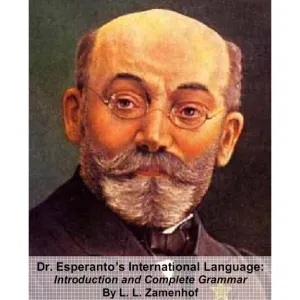
In July 1887, Esperanto made its debut as a 40-page pamphlet from Warsaw, published in Russian, Polish, French and German: all written by a Polish eye-doctor under the pen-name of Dr. Esperanto (“one who hopes”). Ludovic Lazarus Zamenhof (1859-1917) had a gift for languages, and a calling to help foster world amity: by a neutral “Internacia Lingvo” that anyone anywhere could readily use as a second language: neither forsaking a mother tongue, nor imposing it. In 1889 Zamenhof published an English translation by Richard H. Geoghegan, a young Irish linguist. All five are respectively considered the “First Book”. This classic sets forth Esperanto pretty much as we know it today (except that we no longer use internal apostrophes for composite words). Its original repertoire of 900 root words has grown tenfold in the past century, but you can still almost make do with the vocabulary herein. -- Summary by Gene Keyes
Fejezetek
A következő fejezet magától elindul. Ez a böngésző megjegyzi, hol tartasz.
- 1Section 0010:52 · felolvassa: Nicholas James Bridgewater
- 2Section 015:02 · felolvassa: Nicholas James Bridgewater
- 3Section 0214:08 · felolvassa: Nicholas James Bridgewater
- 4Section 038:31 · felolvassa: Nicholas James Bridgewater
- 5Section 0412:27 · felolvassa: Nicholas James Bridgewater
- 6Section 054:09 · felolvassa: Nicholas James Bridgewater
- 7Section 069:00 · felolvassa: Nicholas James Bridgewater
- 8Section 074:15 · felolvassa: Nicholas James Bridgewater
- 9Section 0822:17 · felolvassa: Nicholas James Bridgewater
- 10Section 099:22 · felolvassa: Nicholas James Bridgewater
- 11Section 1023:37 · felolvassa: Nicholas James Bridgewater
- 12Section 1113:33 · felolvassa: Nicholas James Bridgewater