
Thirty-second Sunday in Ordinary Time (Year A) - The Bridegroom and the Bride
· 9 min
Note de episod
Read Online
The Bridegroom and the Bride
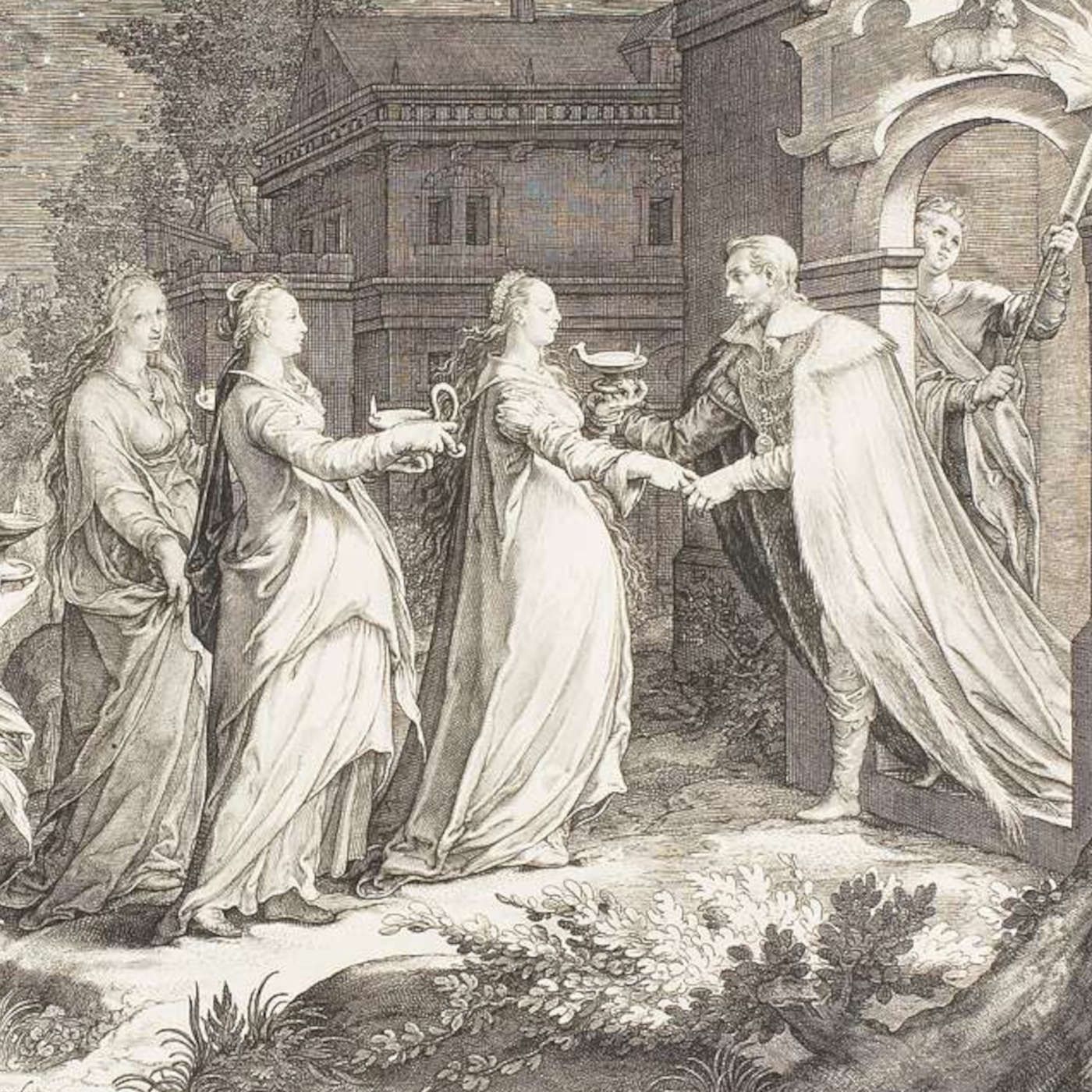
Jesus told his disciples this parable: “The kingdom of heaven will be like ten virgins who took their lamps and went out to meet the bridegroom. Five of them were foolish and five were wise.” Matthew 25:1–2
The Parable of the Ten Virgins draws on culturally familiar language and practices from first-century Israel. Understanding the wedding customs of that time sheds light on its deeper meaning.
First, the bride and groom did not choose each other. The father of the groom selected a bride for his son and spoke to the bride’s father to obtain his consent. If the bride’s father agreed, the two fathers drew up a contract, which often included a financial contribution from the groom’s family to the bride’s—both to compensate for the loss of her presence in the household and to symbolize the value the groom placed on her.
Once an agreement was reached, the bride price was paid, and a betrothal ceremony took place. During this ceremony, the bride and groom were legally bound to each other, though they would not yet live together. From that point on, the bride belonged to the groom, and the union could only be dissolved through a formal divorce. After the betrothal, the groom returned to his father’s house to prepare a place for his bride—often by building a new room onto the family home. This period of preparation could last up to a year. During that time, the bride remained in her father’s house, readying herself and awaiting the groom’s return.
When the groom had finished his preparations and received his father’s consent, he and his friends would set out to retrieve the bride. This usually happened at night, and the exact timing was unknown to the bride and her attendants. As a result, they had to remain constantly watchful. When the groom drew near, a cry would go out—often accompanied by trumpet blasts or joyful shouts—announcing his arrival. The bride, accompanied by her virgin attendants, would rise to meet him with lamps lit. Together, they would process to the groom’s house, where the door would be shut and the wedding feast would begin. The celebration itself could last several days.
It is against this backdrop that Jesus tells today’s parable. The story takes place toward the end of the betrothal period, when the groom was expected to arrive at any moment. This period of watchful anticipation symbolizes our present age, when we are already bound to Christ through Baptism. The price for our mystical marriage was the death of the Son of Man, the Bridegroom Himself. Now we must remain vigilant, anticipating His arrival.
The bridegroom’s arrival at midnight represents the unexpected moment of Christ’s return at the end of time, at the hour of our death, and even His daily coming by grace. The cry in the dark symbolizes the call of accountability and divine judgment, when every soul will rise to meet the Lord. At that moment, it will become clear who among us was wise and who was foolish. The…
Site: spreaker.com

