
A könyvről
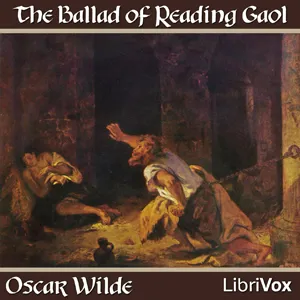
In 1895, Oscar Wilde was sentenced to 2 years of hard labor for acts of ‘gross indecency’. During his time at Reading Gaol, he witnessed a rare hanging, and in the three years between his release and his untimely death in 1900, was inspired to write the following poem, a meditation on the death penalty and the importance of forgiveness, even for (and especially for) something as heinous as murdering one’s spouse; for even the murderer, Wilde argues, is human and suffers more so for being the cause of his own pain, for ‘having killed the thing he loved’; for everyone is the cause of someone else’s suffering and suffers at the hands of another. It is this that Jesus Christ could see; he could continue to see the beauty of our humanity, despite all that we may do to each other, and encouraged us to love each other just the same
“The Ballad of Reading Gaol” was published in 1898 and would gain Wilde greater recognition as a poet (in addition to being a great playwright); although his only other volume of poetry, one of his earliest works that he’d published, was also well-received. Sadly, ‘The Ballad’ would be his last.
(Summary by Linda Leu).
Fejezetek
A következő fejezet magától elindul. Ez a böngésző megjegyzi, hol tartasz.
- 1The Ballad of Reading Gaol42:51 · felolvassa: Linda Leu
Ez is tetszhet neked
 Importance of Being EarnestOscar Wilde2 óra 18 perc
 Picture of Dorian GrayOscar Wilde6 óra 11 perc
 Canterville GhostOscar Wilde1 óra 23 perc
 Picture of Dorian Gray (version 2 dramatic reading)Oscar Wilde9 óra 27 perc
 Happy Prince and Other TalesOscar Wilde1 óra 41 perc
 Picture Of Dorian Gray (1891 Version)Oscar Wilde9 óra 30 perc
 Ideal HusbandOscar Wilde3 óra 17 perc
 MärchenOscar Wilde5 óra 46 perc

