
O tej książce
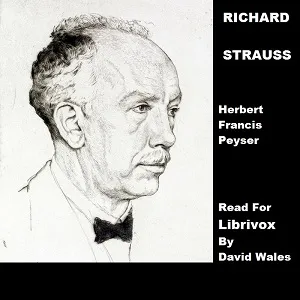
There was not much truly spectacular about the course of [Strauss's] life, which was most happily free from the material troubles which bedeviled the existence of so many great masters... If “Salome” and “Elektra”, “Ein Heldenleben” and “Till Eulenspiegel” were in their day scandalously “sensational” did not the whirligig of time reveal them as incontestable products of genius, irrespective of inequalities and flaws? However Richard Strauss compares in the last analysis with this or that master he contributed to the language of music idioms, procedures and technical accomplishments typical of the confused years and conflicting ideals out of which they were born. His works are most decidedly of an age, whether or not they are for all time! From Author's Foreword.
Rozdziały
Następny rozdział włączy się sam. Ta przeglądarka zapamiętuje, gdzie skończyłeś.
- 1Foreword2:36 · czyta: David Wales
- 2Part 128:38 · czyta: David Wales
- 3Part 228:31 · czyta: David Wales
- 4Part 332:02 · czyta: David Wales
Może ci się spodobać
 Mendelssohn And Certain MasterworksHerbert Francis Peyser1 godz. 29 min
 Hector Berlioz; A Romantic TragedyHerbert Francis Peyser1 godz. 26 min
 Wolfgang Amadeus MozartHerbert Francis Peyser2 godz. 3 min
 Schubert And His WorksHerbert Francis Peyser1 godz. 30 min
 Robert Schumann, Tone Poet Prophet And CriticHerbert Francis Peyser1 godz. 31 min
 George Frideric HandelHerbert Francis Peyser1 godz. 49 min
 Johann Sebastian BachHerbert Francis Peyser1 godz. 19 min
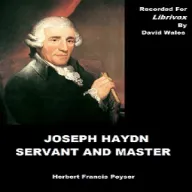 Joseph Haydn; Servant And MasterHerbert Francis Peyser2 godz. 1 min

