

Lebanon: “Instability Is the Only Constant You Ever Know”
· 1 u 31 min · Seizoen 3 Aflevering 60
Beschrijving
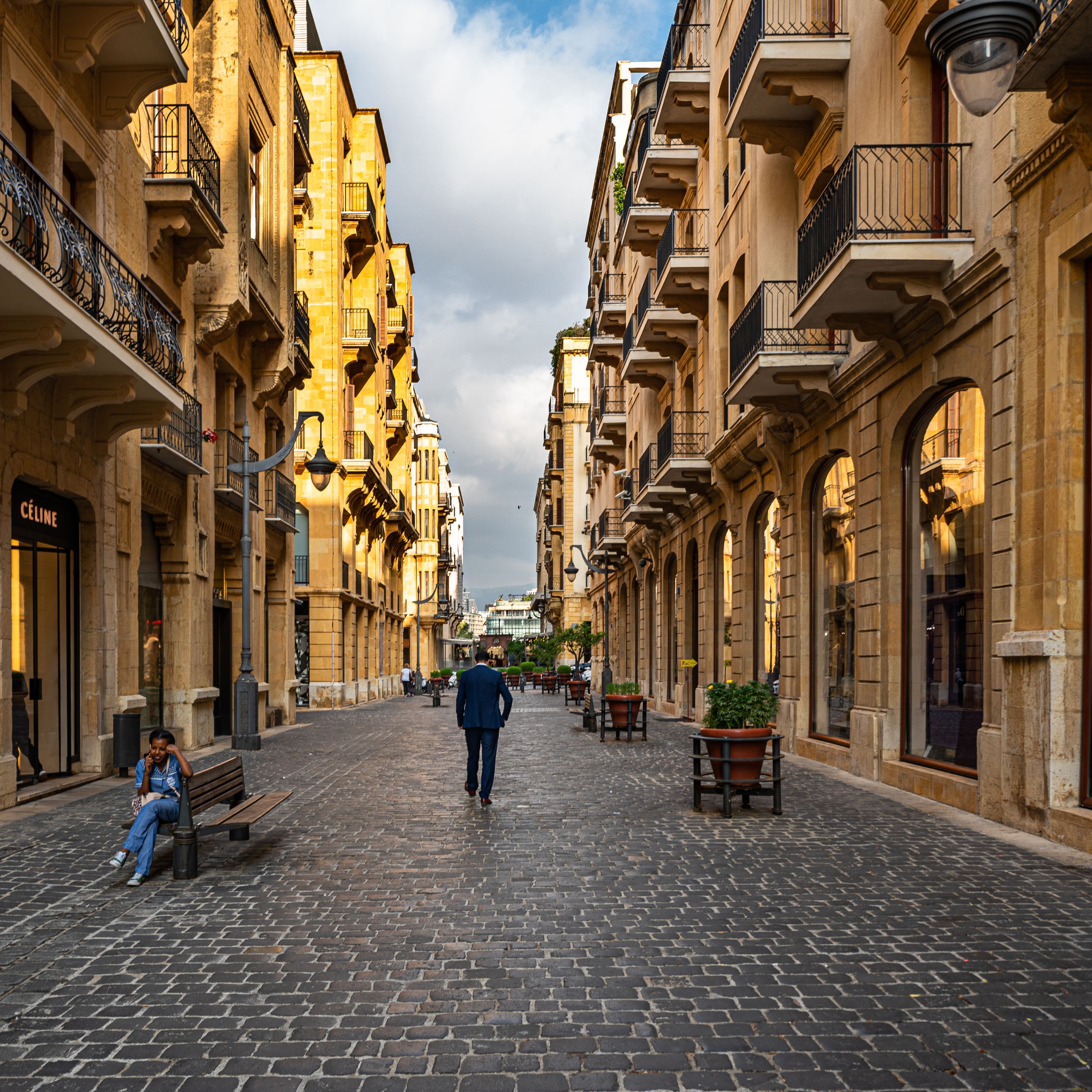
“In 1974, Beirut ranked among the greatest metropolises of the Near East. With a population of only slightly more than a million, its demographic weight was modest by comparison with Cairo, even with Damascus; and as the capital of one of the smallest Arab states, it could scarcely claim to be a major international center of decision making or diplomacy, even if the welcome Beirut granted to the leadership of the Palestinian resistance placed it at the heart of a political dynamic that transcended regional boundaries. No matter. And yet since the early 1960s it had incontestably been one of…

