

Show notes
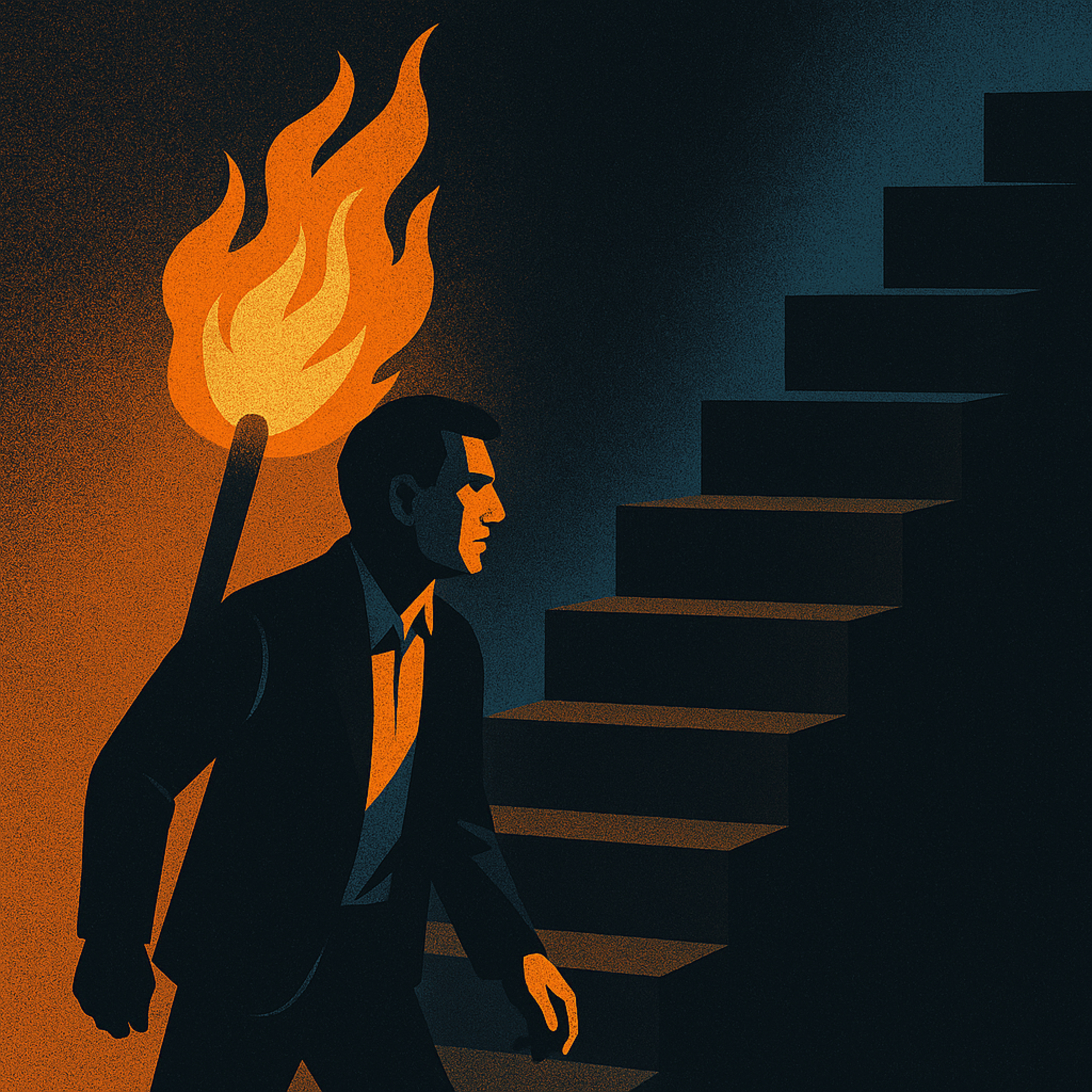
Why protecting even offensive words is the only way to prevent violence
By Chris Abraham for Substack
Every generation rediscovers an old lesson the hard way: words are not bullets, but if you confuse them long enough, bullets eventually appear.
Lately I’ve been struck by how quickly our civic conversations move from irritation to punishment. A clumsy remark or ugly slogan goes viral; the mob mobilizes; firings and cancellations follow. It’s tempting to say “well, that’s accountability,” but the speed and severity of these reactions tell a different story. What we are really doing is rehearsing a very old drama: escalation without a ceiling.
Think about Sarajevo, 1914. A teenager named Gavrilo Princip fires a pistol at Archduke Franz Ferdinand. One act of political violence sets off treaties, obligations, and mobilizations. Within weeks, a continent is on fire. The war that followed didn’t solve the problem — the punitive Treaty of Versailles created conditions for something even worse. What began as one shot became decades of blood.
In our own time, the weapons are reputations, jobs, and platforms. The principle is the same. A careless post spirals into professional ruin. A mob decision substitutes for law. The difference between a town that argues and a town that shoots isn’t etiquette — it’s survival. Civilized societies invest in procedures: courts, ballots, deliberation. Mobs invest in immediacy. And immediacy always tempts violence.
I am not blind to the harm of speech. Racist, vile, or threatening words sting. But the constitutional line exists for a reason. U.S. law is clear: speech only loses protection if it incites imminent lawless action. Everything else, however ugly, is permitted. That boundary protects not just bigots but everyone who dissents from the reigning consensus. Without it, majorities punish minorities on impulse.
Cancel culture, whatever name you prefer, is efficient at punishment but poor at persuasion. It does not change minds; it exiles people. It does not reduce resentment; it deepens it. Every mob firing creates martyrs. Every public shaming fertilizes resentment. And resentment, history shows, is a renewable fuel for conflict.
Even in theology, escalation is a central theme. The Gospel’s “go, and sin no more” joins mercy with responsibility. Mercy without limits collapses into indulgence. Punishment without procedure collapses into vengeance. Both errors invite cycles that consume communities.
Revolutions prove this. Marx promised liberation through rupture. Mao promised purification through violence. Che romanticized guerrilla struggle. What followed was not paradise but repression breeding new radicals, one cycle after another. The dueling codes of earlier centuries made the same point: treat words as violence, and violence answers back.
We flatter ourselves that the modern age is different because our weapons are digital. But doxxing, mass reporting, and professional exile are simply new swords. The old…
Website: podcasters.spotify.com


