

Show notes
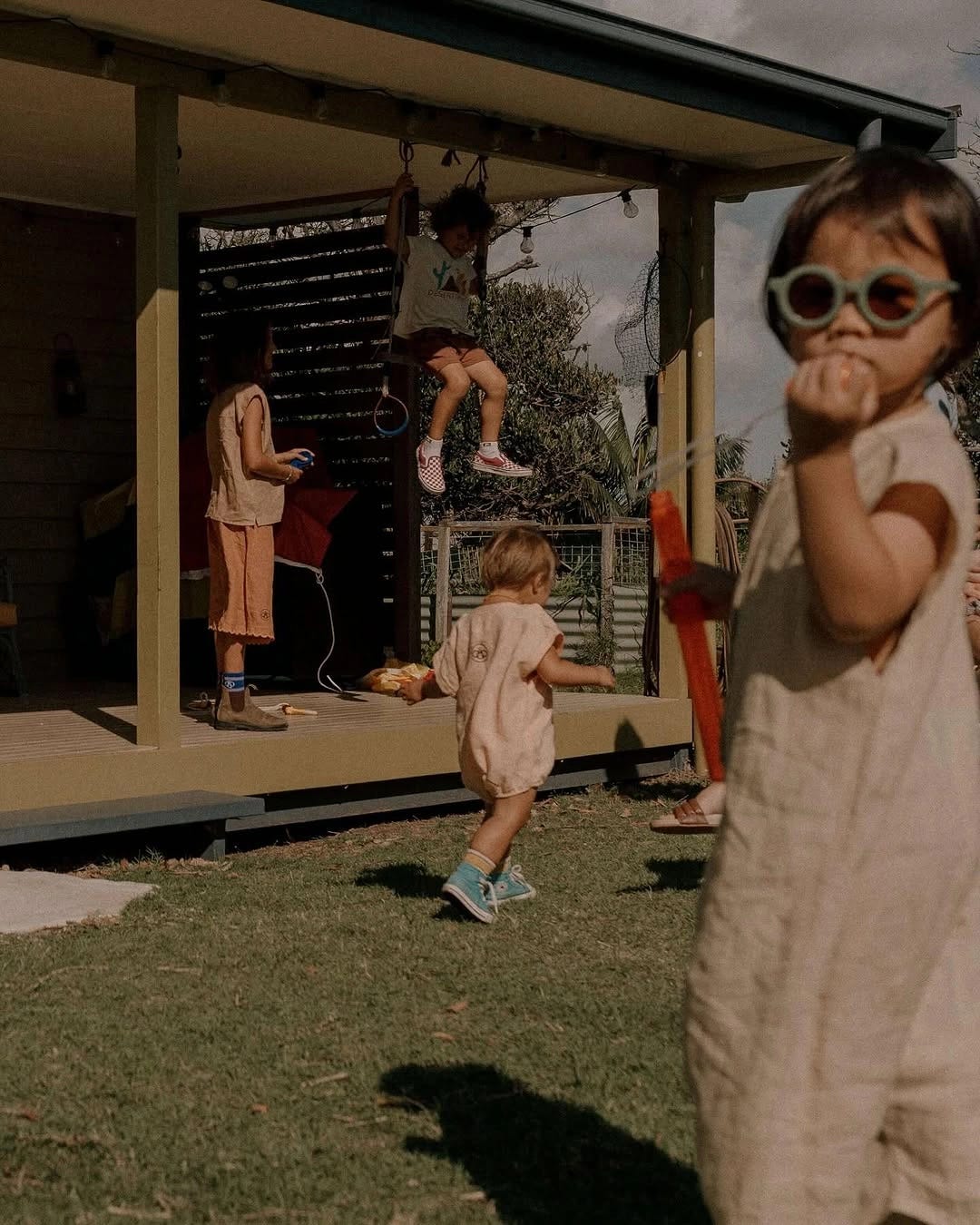
Beloved, this is our last installment of Empathica’s Journey through the Emotional Circuits.
When was the last time you laughed—really laughed?
I’m a night owl, and I spend time in a few communities on X.
Late at night, we shake off the day’s stress, step out of conversing about current day issues and economics and joke around, and laugh until it hurts.
Maybe you have a few people in your life who can pull real laughter out of you. Or a show you go back to when you need a deep, belly laugh.
Every time I laugh so hard that I can barely breathe, I’m reminded of how rarely I laugh at all.
Capricorn’s take life too damn serious. Guilty!
So…..
When was the last time you did something purely for the joy of it—without a productive purpose, without justification, without that voice in your head whispering…
Who do you think you are?
There was a part of you that was born knowing how to play.
A child who danced without choreography.
Who imagined entire worlds before breakfast.
Who expressed joy as naturally as breathing.
And somewhere along the way — through criticism, through responsibilities that came too soon, through a world that valued output over aliveness — that part of you was told to sit down and be serious.
Your play circuit — the neurological system responsible for joy, creativity, bonding, and spontaneity — didn’t die.
It went into hiding.
It’s still there, beneath the productivity guilt and the fear of being seen as foolish.
Still waiting.
And if you’ve been wondering why rest doesn’t actually restore you, why weekends feel like another obligation, why joy feels like something other people get to have — this is why.
Let me explain how this works.
The play circuit lives in the interplay between your limbic system (emotion) and prefrontal cortex (thinking).
When activated, it releases endorphins, serotonin, and dopamine — the neurochemistry of happiness, creativity, and social bonding.
In children, this system develops trust, resilience, and flexibility.
In adults, it sustains innovation, intimacy, and mental health.
It is not a luxury. It is a biological necessity.
But when trauma enters childhood — when joy was interrupted, when lightness was punished, when the environment required seriousness for survival — the play circuit shuts down.
The brain learns:
Happiness is dangerous. Being seen in my joy makes me a target. I must earn the right to feel good.
And unconscious vows form: I must always be productive.
It’s not safe to express my joy. My creativity is not valuable.
These vows don’t just steal your fun. They steal your flexibility. They rigidify your thinking. They make rest feel like laziness and joy feel like irresponsibility.
They slowly drain the color from a life that was meant to be vivid.
Here’s what happens neurologically when the play circuit is suppressed chronically:
Your dopamine pathways become reward-deficient.
You stop being able to feel satisfaction from small pleasures because your brain has been trained that only…
Website: thelightbetween.substack.com


