
Notatki do odcinka
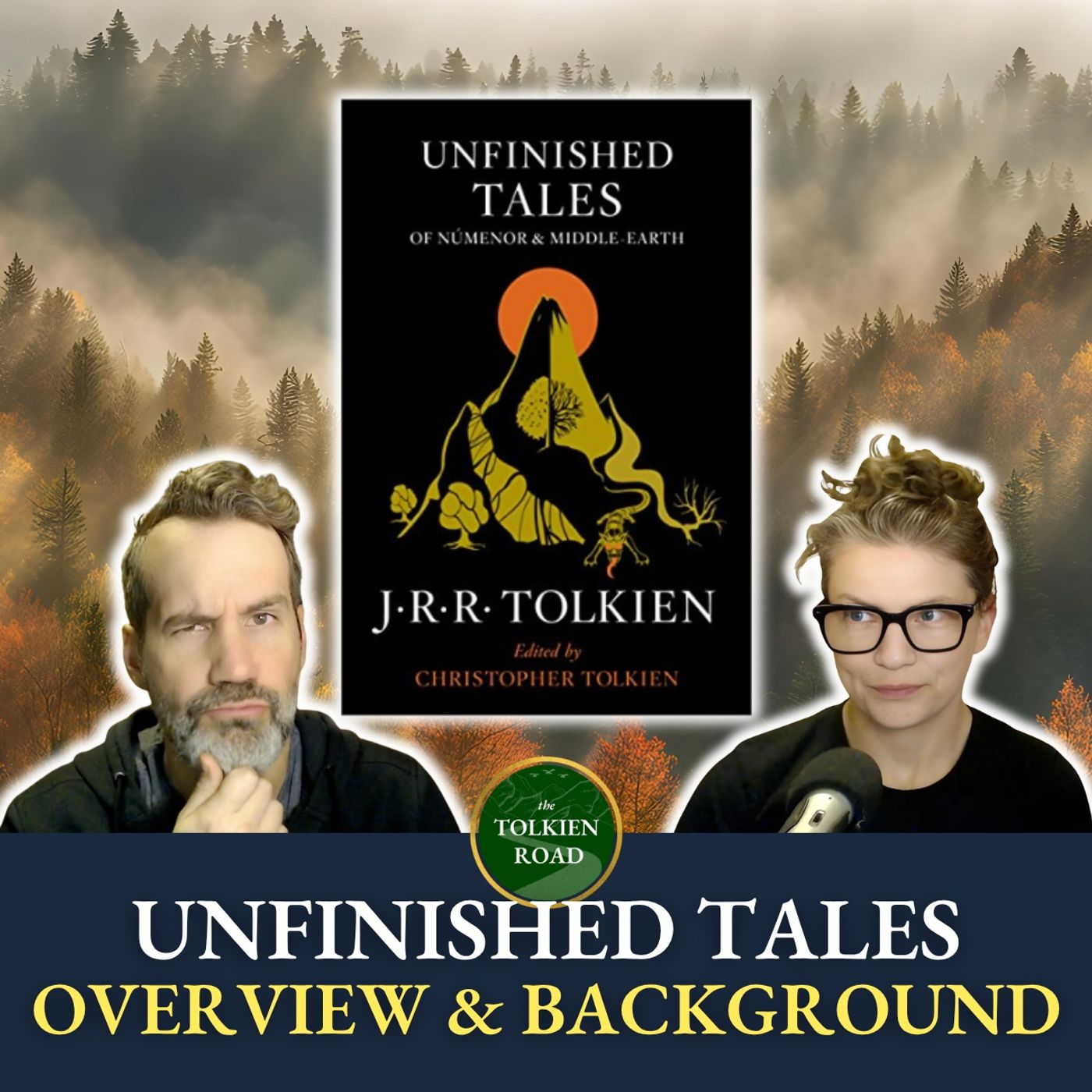
What exactly is Unfinished Tales—and why did Christopher Tolkien choose to publish his father’s unfinished writings at all?
In this episode of The Tolkien Road, we begin a new journey into Tolkien’s posthumously published legendarium by exploring the history, purpose, and editorial philosophy behind Unfinished Tales of Númenor and Middle-earth.
• 00:00 — Introduction: Beginning Unfinished Tales
• 06:36 — Tolkien Quote of the Week: Why Fantasy Matters
• 08:52 — What Is Unfinished Tales?
• 10:14 — Why This Book Was So Important
• 11:38 — Christopher Tolkien Takes Up His Father’s Work
• 12:56 — Why Unfinished Tales Is Harder Than The Silmarillion
• 14:31 — Unfinished Tales as a Bridge to The History of Middle-earth
• 16:54 — Christopher Tolkien’s Experience with The Silmarillion
• 20:28 — The Three Choices Christopher Tolkien Faced
• 21:33 — Choosing Textual History Instead of New Stories
• 24:14 — Why Christopher Changed His Editorial Approach
• 27:36 — Why Publish Tolkien’s Unfinished Material?
• 28:23 — Do Tolkien Fans Really Want All the Details?
• 44:59 — Christopher Tolkien’s Lasting Editorial Legacy
• 45:42 — Listener Correspondence
What Is Unfinished Tales?
• Unfinished Tales of Númenor and Middle-earth was published in 1980
• It followed The Silmarillion, which Christopher Tolkien published in 1977
• The book gathers incomplete narratives, drafts, notes, and alternate versions of stories from across the legendarium
• Some stories are relatively complete, while others require extensive editorial explanation
• Christopher frequently interrupts the narrative to explain manuscript differences, chronology, textual problems, and editorial choices
Why It Is Different from The Silmarillion
• The Silmarillion was shaped into a relatively cohesive narrative
• Christopher combined and edited multiple sources in an attempt to present something close to his father’s intended mythology
• Unfinished Tales takes a very different approach
• Rather than smoothing over inconsistencies, Christopher increasingly shows readers the manuscripts as Tolkien actually left them
• The result is more scholarly, fragmented, and sometimes more difficult—but also much more transparent
Christopher Tolkien’s Three Choices
After publishing The Silmarillion, Christopher essentially faced three paths:
• Do nothing and leave his father’s unpublished material alone
• Continue the legendarium, perhaps by completing stories or bringing in other writers
• Present the textual history, allowing readers to see Tolkien’s drafts, revisions, contradictions, and unfinished writings
Christopher ultimately chose the third path.
Why That Decision Mattered
• Unfinished Tales became a prototype for the later twelve-volume History of Middle-earth
• Instead of continuing Middle-earth himself, Christopher became the curator and interpreter of Tolkien’s manuscripts
• He increasingly preferred to show readers what his father actually wrote rather than construct polished versions of unfinished…
Strona: tolkienroad.substack.com


