
Notas do episódio
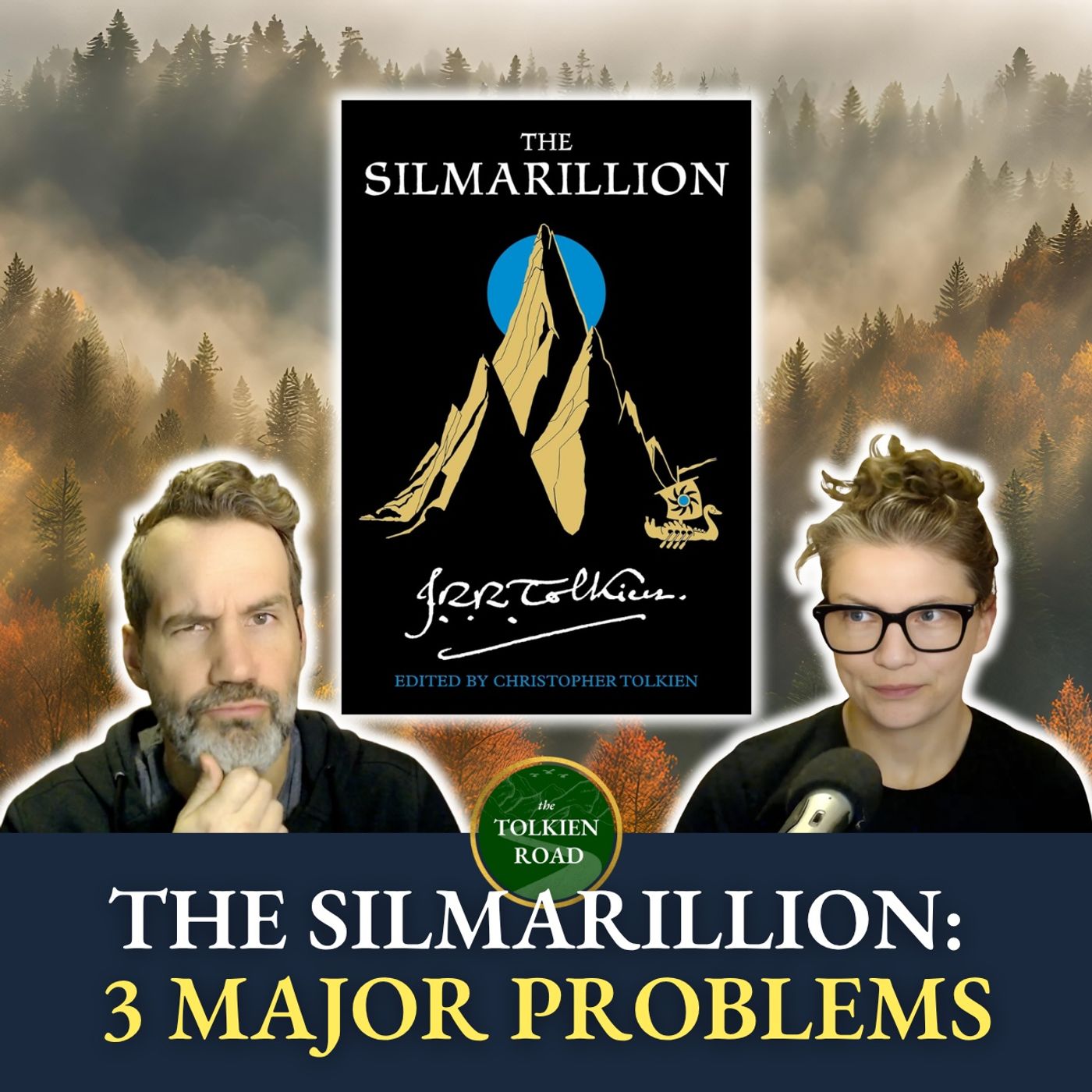
Is The Silmarillion harder to read than it needs to be?In this episode of The Tolkien Road, we take a loving but critical look at three major problems with the published Silmarillion — and how a future edition might make Tolkien’s mythology far more accessible to first-time readers.
• 00:00 — Introduction
• 04:45 — The Silmarillion: Three Big Problems and How to Fix Them
• 06:40 — Why the Published Silmarillion Is Open to Criticism
• 10:47 — The Three Big Problems
• 11:10 — Problem #1: The Maps
• 23:21 — Problem #2: The Lack of a Frame Narrative
• 28:57 — Problem #3: No Timetable
• 31:30 — What a Better Edition of The Silmarillion Could Look Like
• 33:11 — Is There a Fourth Problem?
• 33:35 — Listener Correspondence
Why The Silmarillion Is So Difficult
• Tolkien himself never completed the book
• Christopher Tolkien faced the enormous task of organizing decades of unfinished material
• Even highly motivated Tolkien readers often struggle to finish The Silmarillion
• The problems discussed here are less about Tolkien’s stories themselves than about how the material is presented
• Better reference material and narrative structure could help more readers enter Tolkien’s First Age
Problem #1: The Maps
• The maps in The Lord of the Rings give readers an immediate geographical frame of reference
• The Silmarillion primarily gives us a map of Beleriand
• That map does not become especially useful until well into the book
• Early locations such as Valinor are not represented on it
• Important locations such as Angband are also missing
• Without understanding Beleriand’s relationship to the later Middle-earth map, first-time readers can easily become confused
• A future edition could include multiple maps corresponding to different eras and sections of the story
• Additional reader aids such as character lists, footnotes, and more accessible appendices could also help
Problem #2: The Lack of a Frame Narrative
• The Hobbit and The Lord of the Rings give readers a much more immediate narrative point of view
• The Silmarillion can feel detached or chronicle-like by comparison
• Tolkien’s earliest versions of these stories actually did include a frame narrative
• The various tales of The Silmarillion are interconnected, but they are not one continuous story in the way The Lord of the Rings is
• Stories such as Beren and Lúthien and the Fall of Gondolin can feel almost like separate works within a larger mythology
• A frame involving Bilbo, Frodo, Aragorn, Rivendell, or the Red Book of Westmarch could potentially provide greater continuity
• Such a structure would also connect The Silmarillion more directly with the familiar world of The Hobbit and The Lord of the Rings
Problem #3: No Timetable
• The Lord of the Rings gives readers useful chronological information in Appendix B
• The Silmarillion covers immense spans of time without providing a similarly accessible timeline
• A concise chronology could help readers understand when major events occur and…
Site: tolkienroad.substack.com


