

S9 Ep33: Did the sewing machine liberate women?
· 19 min · Temporada 9 Episódio 33
Notas do episódio
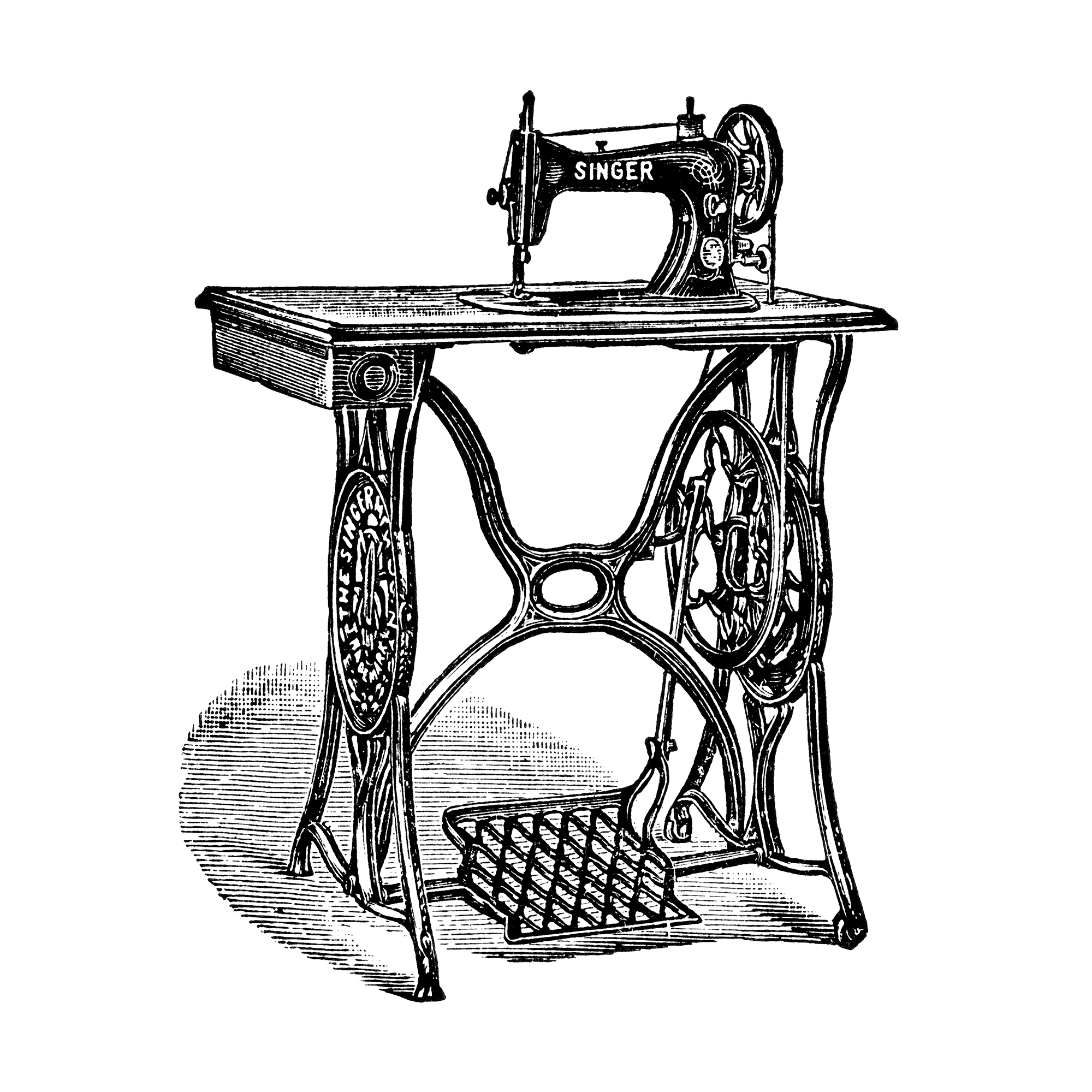
In January 1860 the New York Times gave its blessing to a new machine: the sewing machine. These "iron needle-women", it wrote, were the only invention that could be claimed “chiefly for women's benefit”. Sewing was women's work in the nineteenth century, rich or poor, and a machine could now do it in a fraction of the time. So did it set women free?
Philipp Ager and Davide Coluccia have traced the adoption of the sewing machine in Massachusetts between 1850 and 1900, using census records and digitised business directories to work out who was exposed to it, in the factory and in the home. For poorer women the machine meant work, in garment factories and in boot and shoe production; they married later, had fewer children, and many never married at all. For wealthier women, who had few acceptable jobs open to them, the hours it saved went into earlier marriage and earlier motherhood. Philipp tells Tim Phillips the story of a machine that had very different impacts in different social classes.
The research behind this episode:
Ager, Philipp, and Davide Coluccia. 2026. "Liberation Technology? The Impact of the Sewing Machine on Women." CEPR Discussion Paper No. 21496. CEPR Press, Paris and London. CEPR Discussion Papers are gated; CEPR members and subscribing institutions can download the paper at the link.
To cite this episode:
Phillips, Tim, and Philipp Ager. 2026. "Did the Sewing Machine Liberate Women?" VoxTalks Economics (podcast).
Assign this as extra listening. The citation above is formatted and ready for a reading list or VLE.
About the guests
Philipp Ager is professor of economics at the University of Mannheim, a Research Fellow of the Centre for Economic Policy Research, and an editorial board member at Explorations in Economic History. His research spans the economic history of the United States, technological change, and the long-run effects of crises and disasters; his work on the Great Fire of London of 1666 featured in an earlier episode of VoxTalks Economics.
Research and sources cited in this episode
The Song of the Shirt. Thomas Hood's poem about a destitute seamstress was first published anonymously in Punch in December 1843. Hood based it on the case of Mrs Biddell, a London widow prosecuted after pawning clothes she had been given to sew.
Godey's Lady's Book. The most widely read women's magazine in the US at the time crowned the sewing machine "the queen of inventions" in 1860, having calculated that a man's shirt took 20,620 stitches and 14 hours to sew by hand, against an hour and a quarter by machine.
Singer and the Sewing Machine: A Capitalist Romance. Ruth Brandon's 1977 biography of Isaac Singer (Google Books) is the source for both Singer quotations read in this episode. .
How the Other Half Lives. Jacob Riis, a Danish-born police reporter in New York, published his account of tenement and sweatshop life in 1890 (free at Project Gutenberg). The shirtmaker's testimony read in this episode was given to the State…
Site: audioboom.com

