

S9 Ep57: Merit, masters and China's imperial exam
· 21 λεπ. · Σεζόν 9 Επεισόδιο 57
Σημειώσεις επεισοδίου
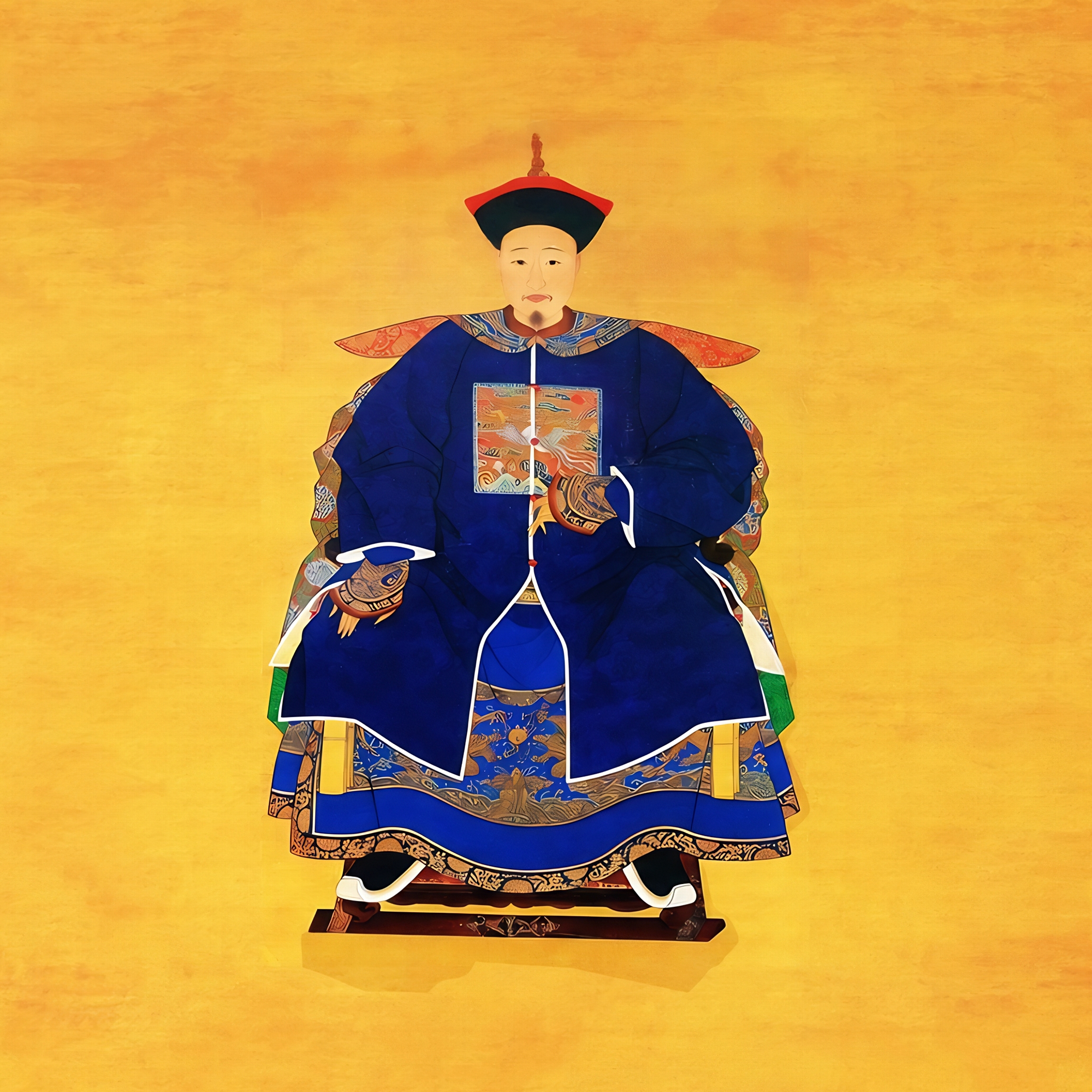
For more than 1,300 years, China chose its top officials by written exam. Its top officials were chosen meritocratic ally -- or were they?
When the results came out, each successful candidate went to pay his respects to the men who had marked his exam. He called the examiner master, and the bond lasted for life.
Ruixue Jia (UC San Diego, CEPR) and her co-author Ying Bai followed 24,269 graduates of the Qing dynasty's imperial examination, from 1644 to 1905, to see who reached the top of the imperial state. A high mark in the examination was important, but so did an examiner who later rose to power. Jia tells Tim Phillips how merit and patronage worked together.
The research behind this episode
Bai, Ying, and Ruixue Jia. 2026. "Meritocracy and the Networks It Forged: China's Imperial Examination." CEPR Discussion Paper 21814. Prepared for The ANNALS of the American Academy of Political and Social Science.
To cite this episode
Phillips, Tim, and Ruixue Jia. 2026. "Merit, masters and China's imperial exam." VoxTalks Economics (podcast).
About the guest
Ruixue Jia is Professor of Economics at the School of Global Policy and Strategy, University of California San Diego, where she co-directs the China Data Lab. She is also a Visiting Professor at the University of Hong Kong, a Fellow of the Centre for Economic Policy Research in its Political Economy and Economic History programmes, and co-editor of the Review of Economics and Statistics. Her research spans elite formation, the politics of education and science, and the historical roots of China's development. She is co-author, with Hongbin Li and Claire Cousineau, of The Highest Exam: How the Gaokao Shapes China (Belknap Press, 2025).
Research cited in this episode
The imperial examination. China's system for recruiting officials through competitive written exams on the Confucian classics and literary composition. It began around 605 CE, expanded under the Song dynasty around 1000 CE, and was abolished in 1905. In the Qing dynasty it had three levels. The entry (prefectural) exam was held twice every three years; the provincial and national exams once every three years. About 240 candidates passed each national exam, earning the title of jinshi. Bai and Jia study all 112 national exams held between 1644 and 1905.
How many took part. Every man could sit the exam in principle, but preparation cost years of study and lost income. Jia says that in the 18th century about two million men registered for the entry-level exam, roughly 2% to 3% of men aged 15 to 50, and that families often pooled resources to put one son forward. By her calculation, even a man who tried five times had less than a 1% chance of passing the entry level. These are her figures from the conversation.
Fan Zhongyan. The Northern Song statesman and poet (989 to 1052) whose story Jia uses to show how the exam sold itself. He lost his father as an infant and grew up in modest circumstances, passed the national exam in 1015, and…
Ιστότοπος: audioboom.com


