

Small Extracellular Vesicles Found to Spread Cellular Senescence in Models of Aging
· 10 min
Show notes
BUFFALO, NY — October 29, 2026 — A new #research paper was #published in Volume 18 of Aging on October 8, 2026, titled “Small extracellular vesicles as mediators of paracrine senescence in cellular models of aging.”
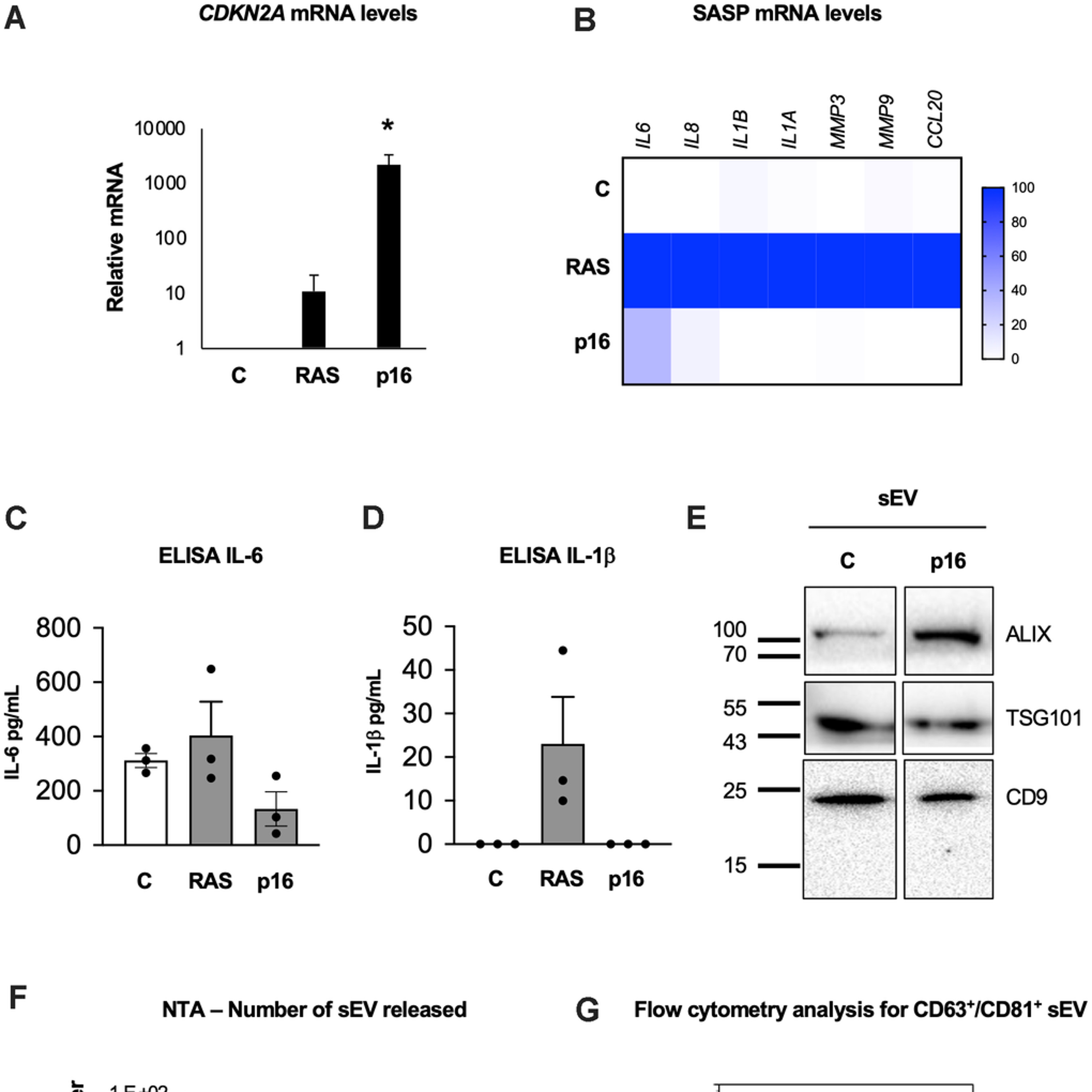
The study found that small extracellular vesicles (sEVs) released by senescent cells can transmit signals that promote senescence in neighboring cells. Using human cellular models of aging, the researchers demonstrated that these membrane-enclosed particles could trigger cell-cycle arrest and DNA damage responses without activating the classical inflammatory pathways associated with senescence. The findings reveal another mechanism through which aging cells may influence their surroundings.
The research was led by equal-contributing first authors Aina M. Llabrés-Mas, Antonio Merino-Navarro and Marta Menéndez-García, all affiliated with the Spanish National Research Council (CSIC), Madrid, Spain. Corresponding author Ana O’Loghlen is affiliated with the same institution.
Cellular senescence is a process in which cells enter a stable state of growth arrest in response to stress, damage or other signals. Although senescence can help prevent uncontrolled cell proliferation and support tissue repair, the accumulation of senescent cells is associated with aging, chronic inflammation and age-related diseases.
Senescent cells can influence surrounding tissues through the senescence-associated secretory phenotype (SASP), which includes inflammatory molecules, growth factors and other signaling substances. These signals can sometimes induce paracrine senescence, a process in which senescent cells promote senescence in nearby, previously proliferating cells.
However, not all senescent cells produce the same inflammatory signals. Cells expressing high levels of p16INK4A, a protein involved in regulating cell-cycle progression, can enter a stable growth-arrested state without developing the classical inflammatory SASP. This raises questions about how these cells communicate with their surroundings and potentially influence tissue aging.
To investigate this, the researchers examined small extracellular vesicles, membrane-bound particles that transport proteins, nucleic acids and lipids between cells. These vesicles act as biological messengers, transferring molecular information that can influence the behavior of recipient cells.
Full press release - https://www.aging-us.com/news-room/small-extracellular-vesicles-found-to-spread-cellular-senescence-in-models-of-aging
DOI - https://doi.org/10.18632/aging.206425
Corresponding author - Ana O’Loghlen - [email protected]
Abstract video - https://www.youtube.com/watch?v=UAsdqxjY-r8
Sign up for free Altmetric alerts about this article -
https://aging.altmetric.com/details/email_updates?id=10.18632%2Faging.206425
Subscribe for free publication alerts from Aging - https://www.aging-us.com/subscribe-to-toc-alerts
Keywords - p16INK4A, extracellular vesicles, senescence, aging, SASP
To…
Website: soundcloud.com


