

Course 46 - CompTIA Cybersecurity Analyst | Episode 14: Scanner Maintenance, SCAP Standards & Workflows
· 20 min
Notas do episódio
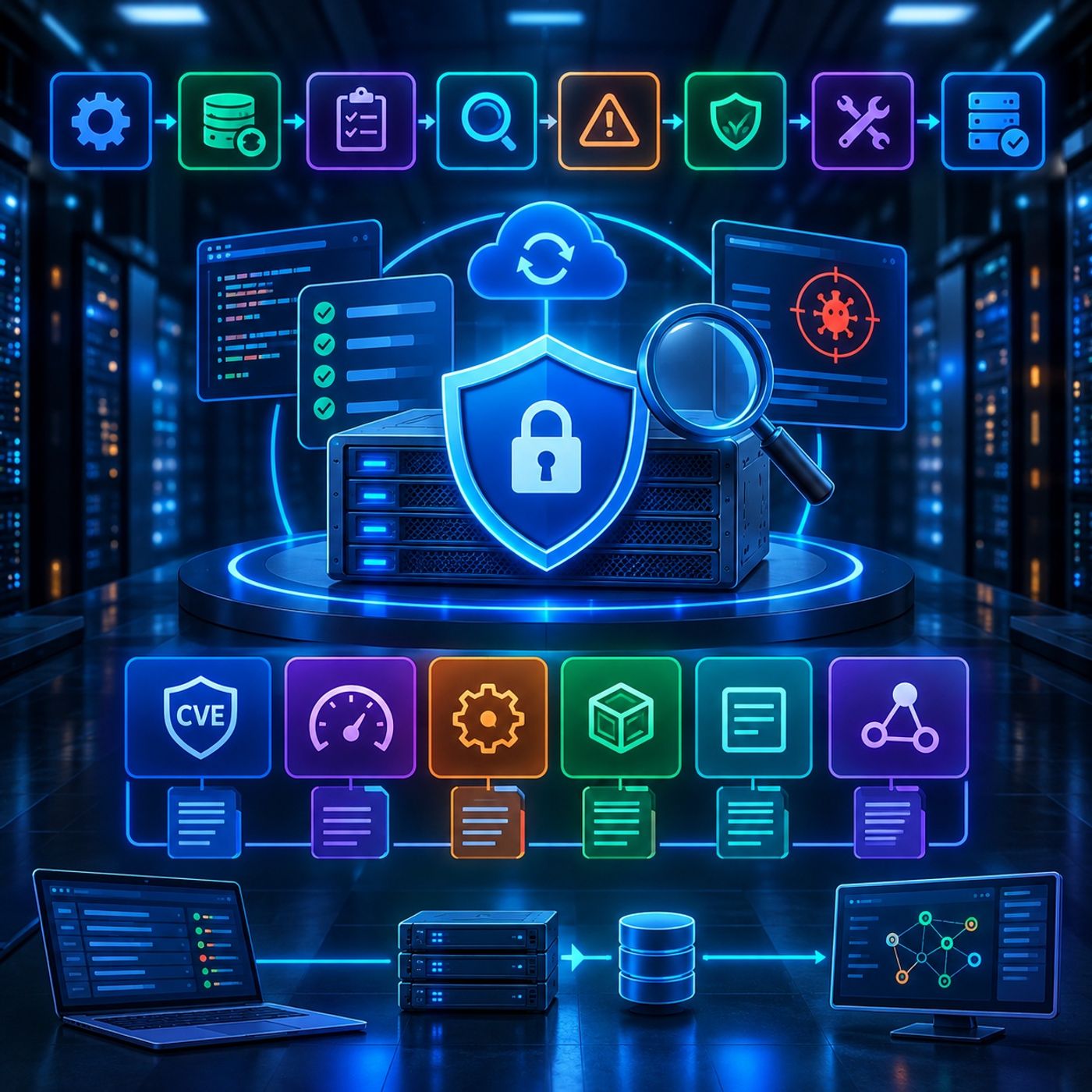
Episode OverviewThis episode focuses on the operational side of vulnerability management, examining how organizations maintain vulnerability-scanning infrastructure, keep detection content current, and use standardized security frameworks to produce consistent and interoperable assessment results.The episode begins with scanner security and maintenance, including software updates, plugin and signature synchronization, and pre-scan verification. It then introduces the Security Content Automation Protocol (SCAP) and its associated standards for identifying, scoring, describing, and automatically evaluating security vulnerabilities and configuration issues.Key Topics Covered1. Securing and Maintaining Vulnerability ScannersVulnerability scanners are themselves software systems and therefore require security maintenance.The episode emphasizes that scanners should be:
• Regularly patched and updated
• Protected with appropriate administrative controls
• Maintained according to vendor security guidance
• Monitored for operational problems
• Kept current with the latest vulnerability-detection content
Updating the scanner application itself is important because vulnerabilities in the scanning platform can affect the security of the vulnerability-management infrastructure.2. Plugin, Signature, and Detection-Content UpdatesModern vulnerability scanners depend heavily on regularly updated plugins, signatures, and detection content.These updates allow scanners to recognize newly disclosed vulnerabilities and changes in the threat landscape.For example, when a major vulnerability or widespread campaign emerges, updated detection content can allow vulnerability-management platforms to identify affected systems.The episode examines how updates can be:
• Scheduled automatically
• Performed daily or weekly
• Managed through scanner configuration
• Delivered through authenticated update channels
• Configured to operate through enterprise infrastructure such as web proxies
Before beginning an assessment, security teams should verify that the scanner has current detection content. Running an assessment with outdated plugins can result in incomplete or inaccurate visibility.3. Pre-Scan VerificationThe episode highlights a simple but important operational practice: verify scanner readiness before scanning.A pre-scan checklist can include confirming:
• Scanner software version
• Plugin or signature update status
• Network connectivity
• Authentication configuration
• Target scope
• Scanner resource availability
• Appropriate scan policy
• Scheduling and performance settings
This helps ensure that scanning results reflect the current detection capabilities of the platform rather than an outdated vulnerability database.4. Security Content Automation Protocol (SCAP)The episode then introduces the Security Content Automation Protocol (SCAP), a collection of standards designed to support consistent, machine-readable security assessment and vulnerability-management…
Site: spreaker.com